
This photoessay has been developed by the artists Mary Bourne and Lynne Strachan to highlight the Cabrach Reconnections project, started in 2021 and ongoing. You can follow @cabrachreconnections on Instagram.
For details of the event on Sat 14 June 2025, see below the story.
Introduction
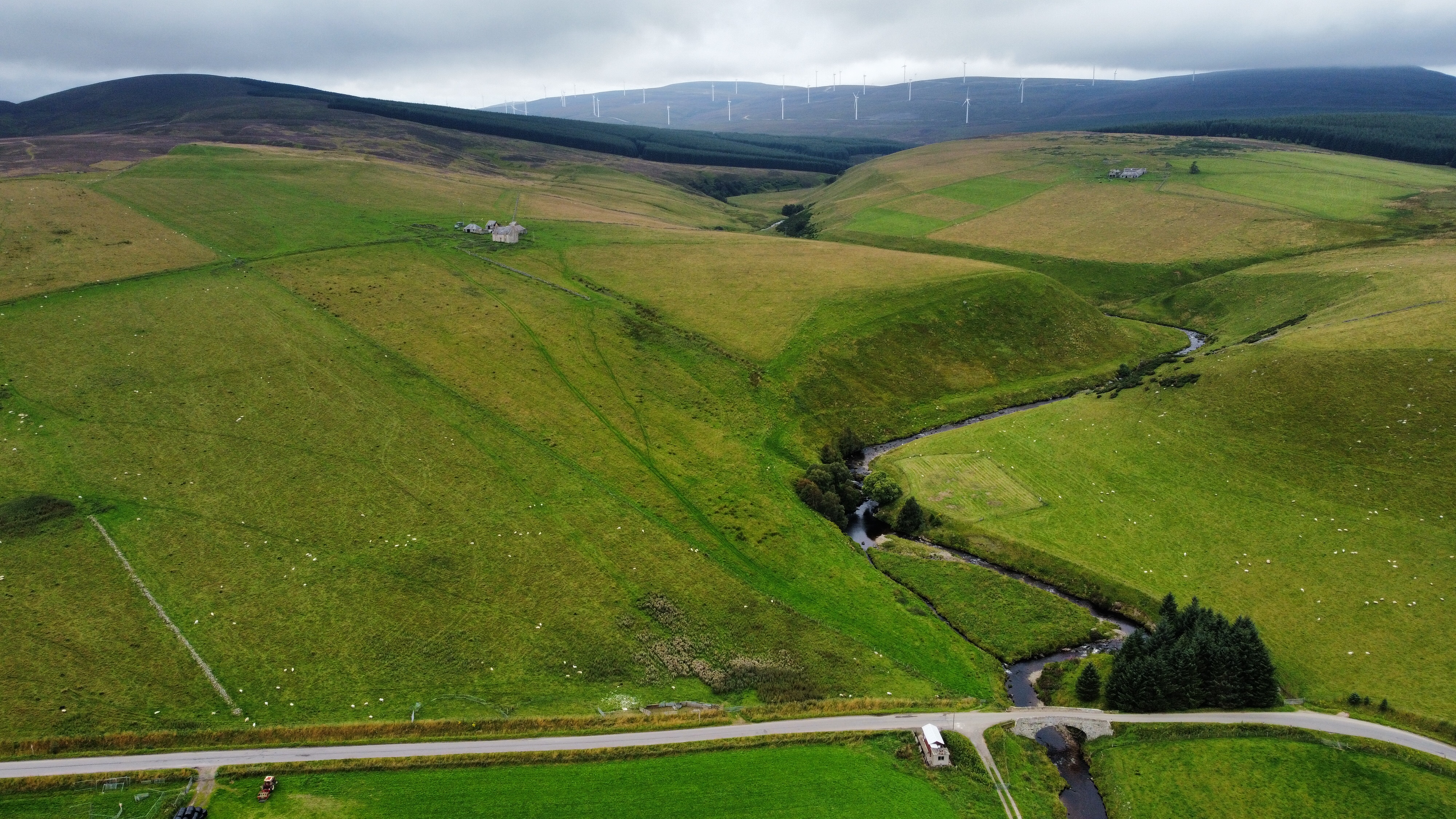
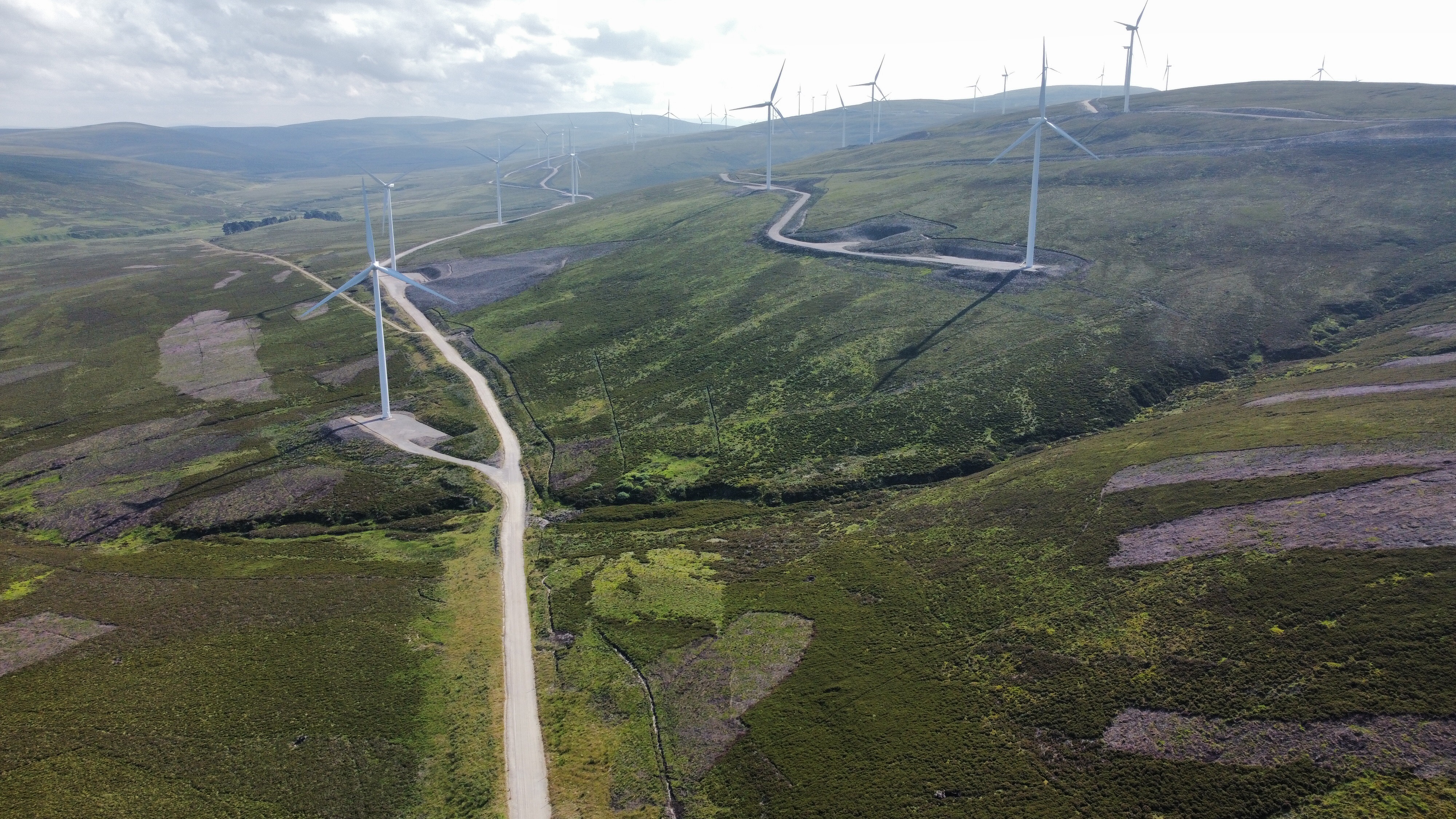
The Cabrach is a remote depopulated area of desolate beauty situated on the northernmost fringe of the Cairngorms National Park just on the Moray side of the border with Aberdeenshire. Beneath the surface lie the stories of families who lived there, the farms and businesses they ran, the reasons they left and the memories they still hold. Now the coming of wind farms is changing the character of the place – its future is still in flux.
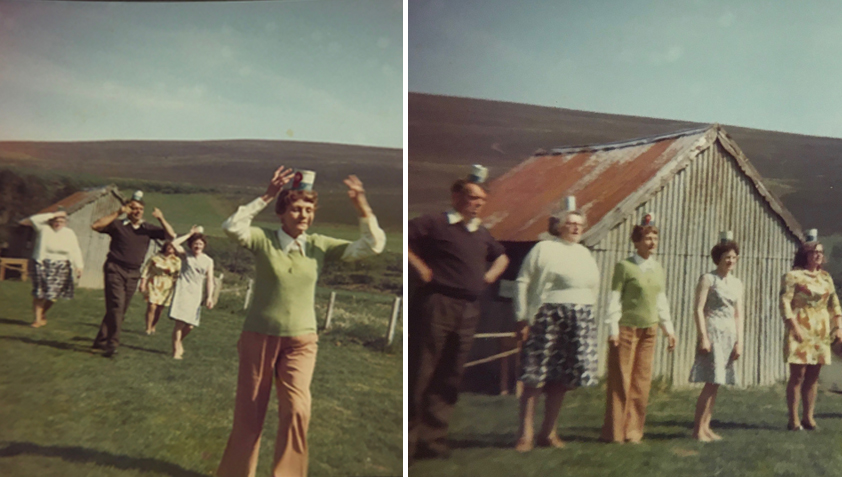
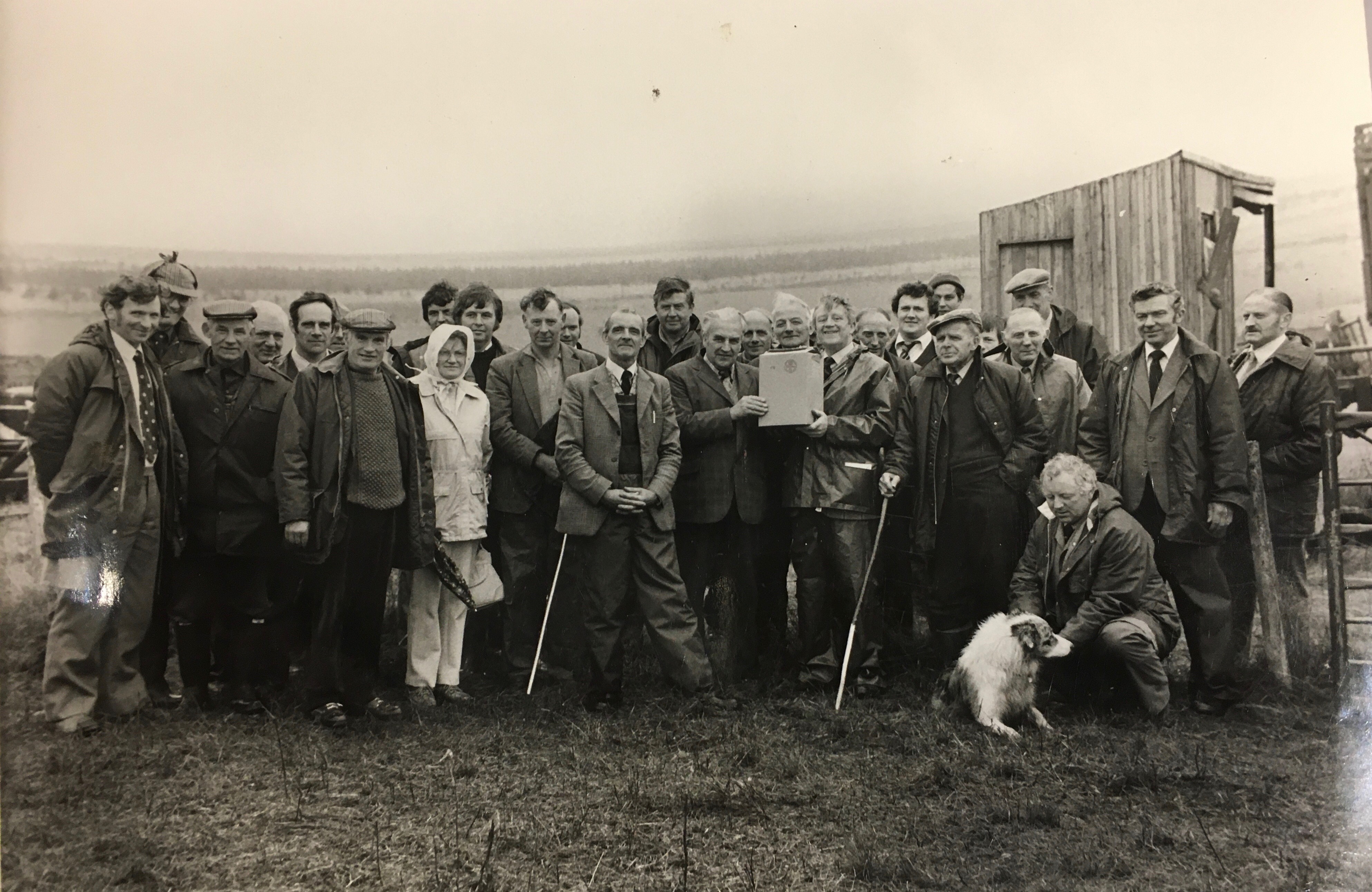
At the end of the 1800s it is estimated that 1000 people lived in The Cabrach. It had two schools, two post offices, two marts, a library, smithies, cobblers, general stores, a watchmaker and a sweetie shop – all you would need to live your life. Now these are all gone and it is estimated that under 70 people live and work in the area.
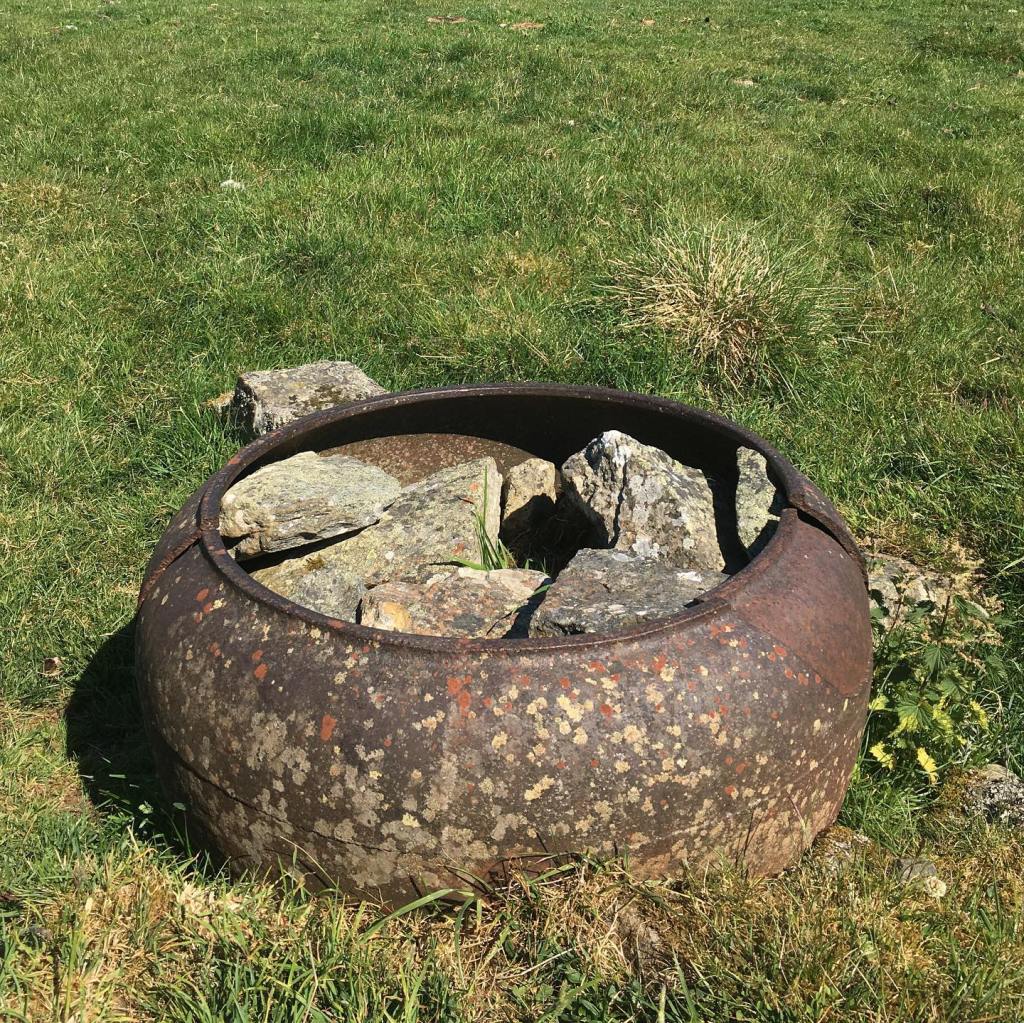
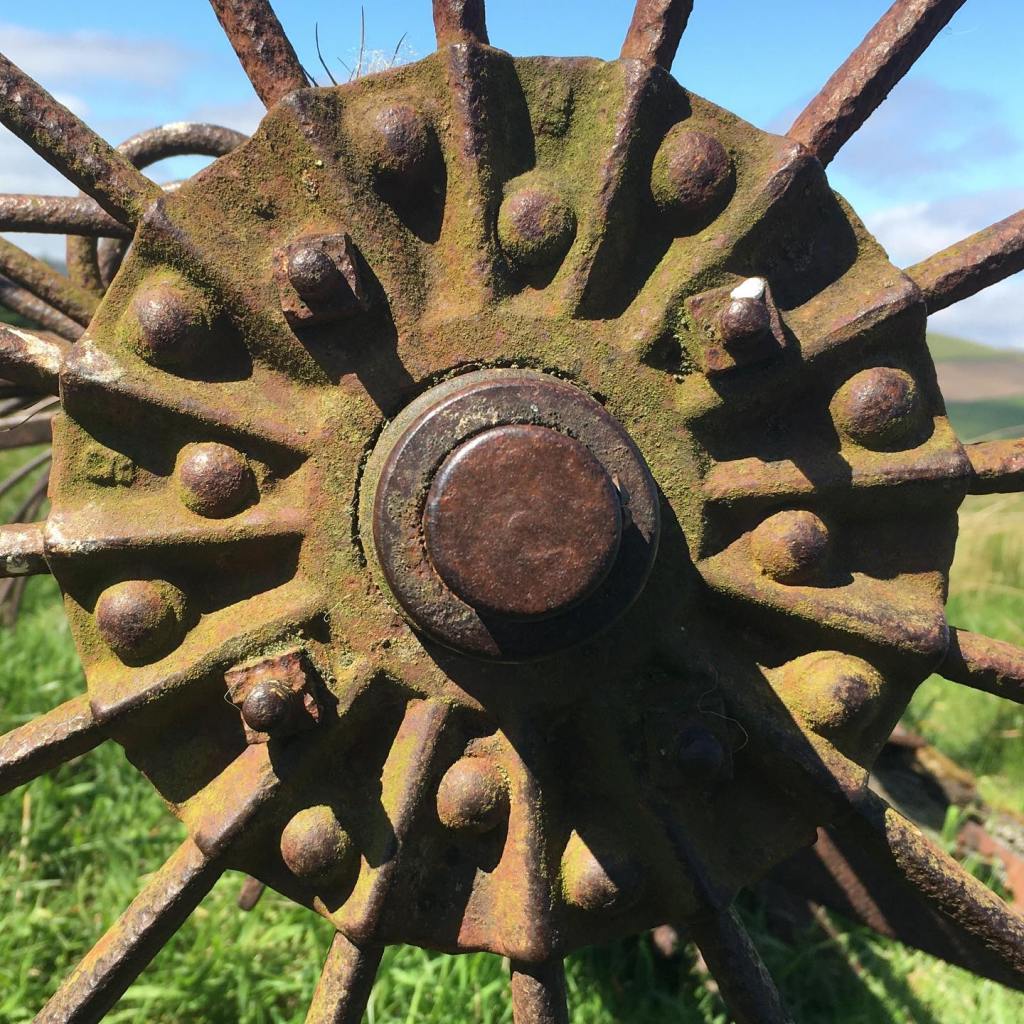
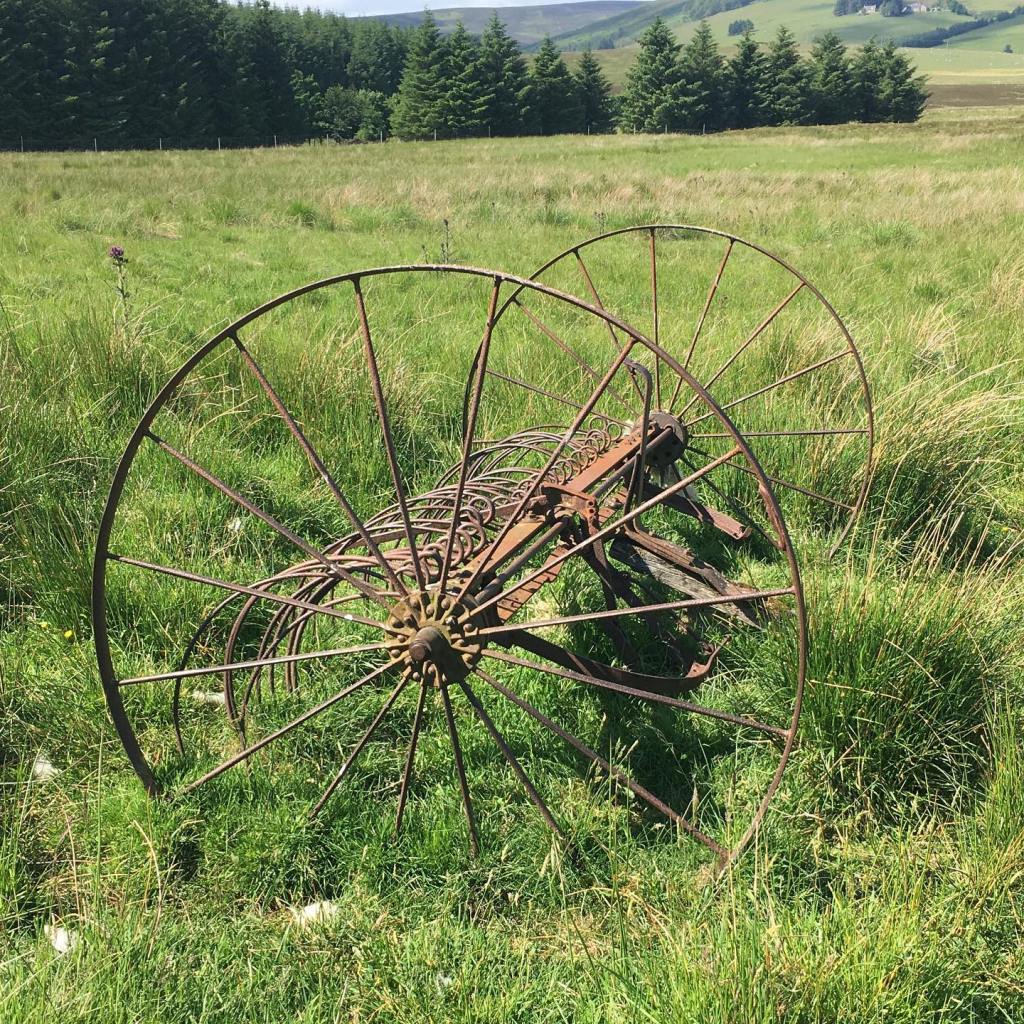
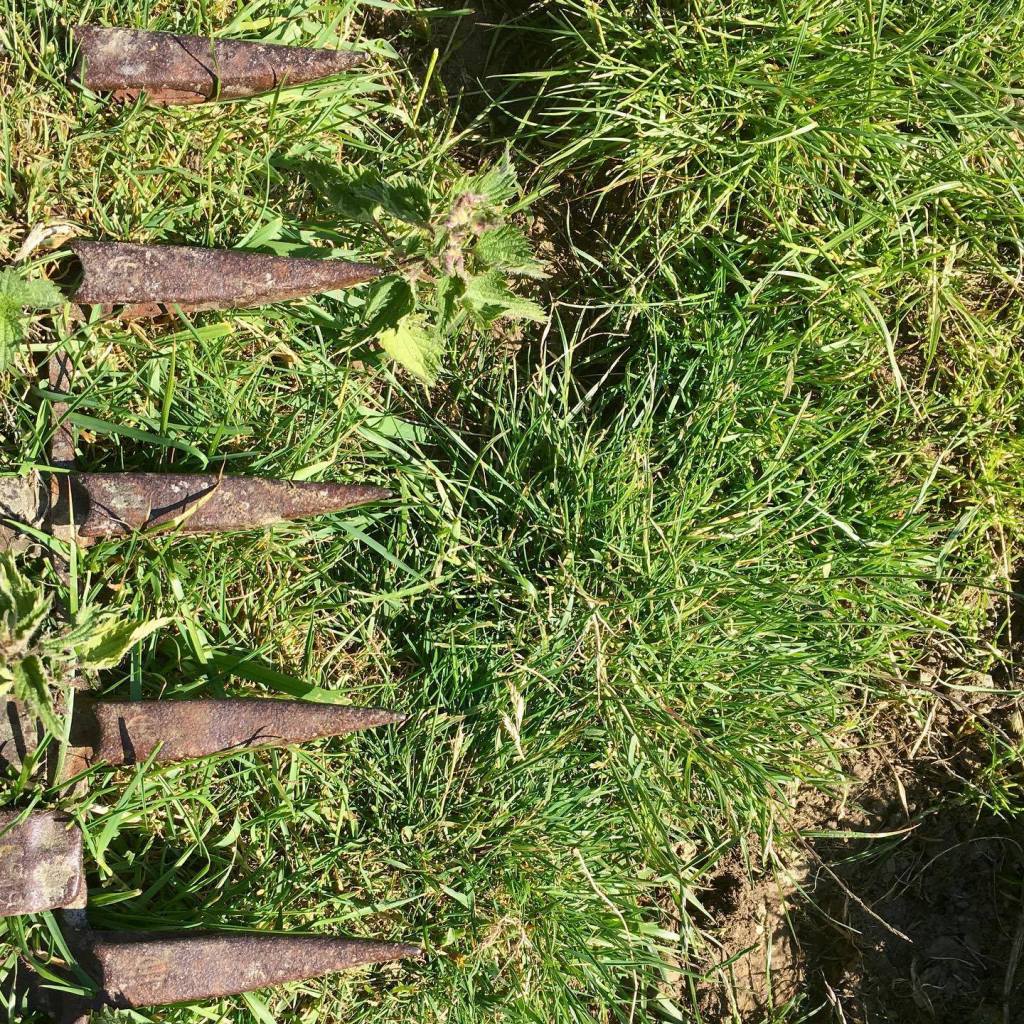
All around are the reminders of past lives in the form of empty farmhouses and rusting farm implements, while the wind turbines proliferating on the horizons bring the past and the future face to face.
The Project
In 2021 we gained funding from Creative Scotland for what became phase 1 of an ongoing project – an artists’ investigation of The Cabrach. We wanted to put our years of experience working in the public realm and engaging with people to good use, designing a project to deliver the best possible outcomes for all involved: community, visitors and artists.
We had both visited The Cabrach for years, and knew it as a beautiful, desolate place, haunted by deserted homes and abandoned artefacts. During this project, however, we were able to meet the people who still live and work there and to understand their lives and the issues that impact them. In the process we moved from being detached observers to emotionally engaged participants with an urgency for action.
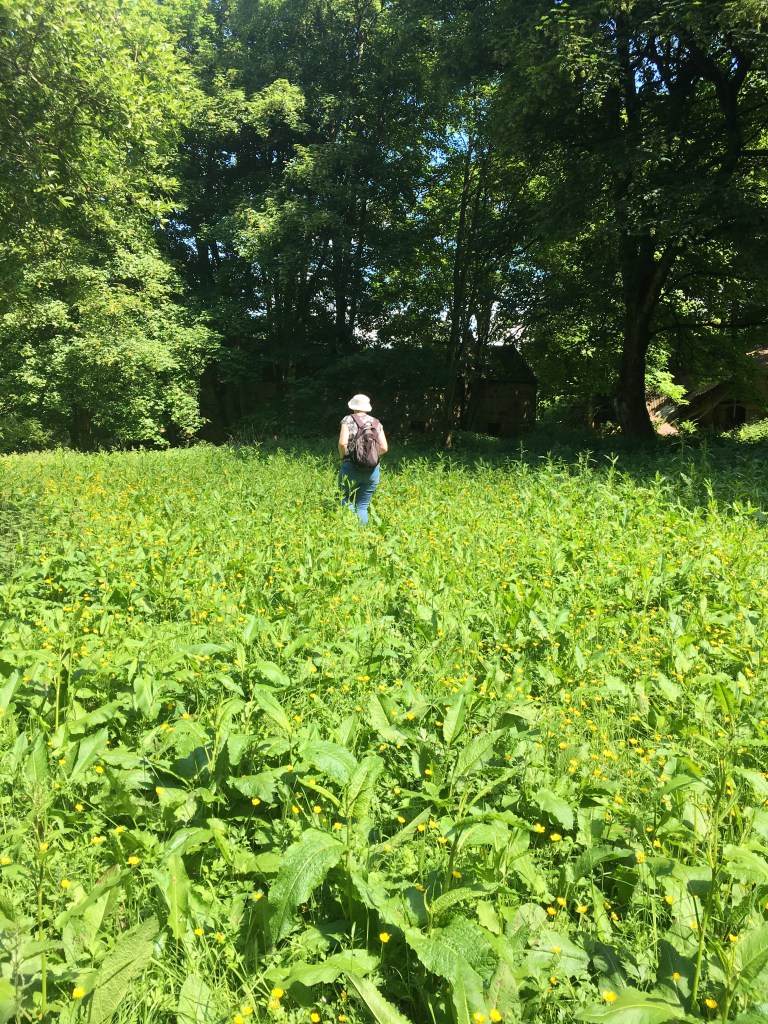
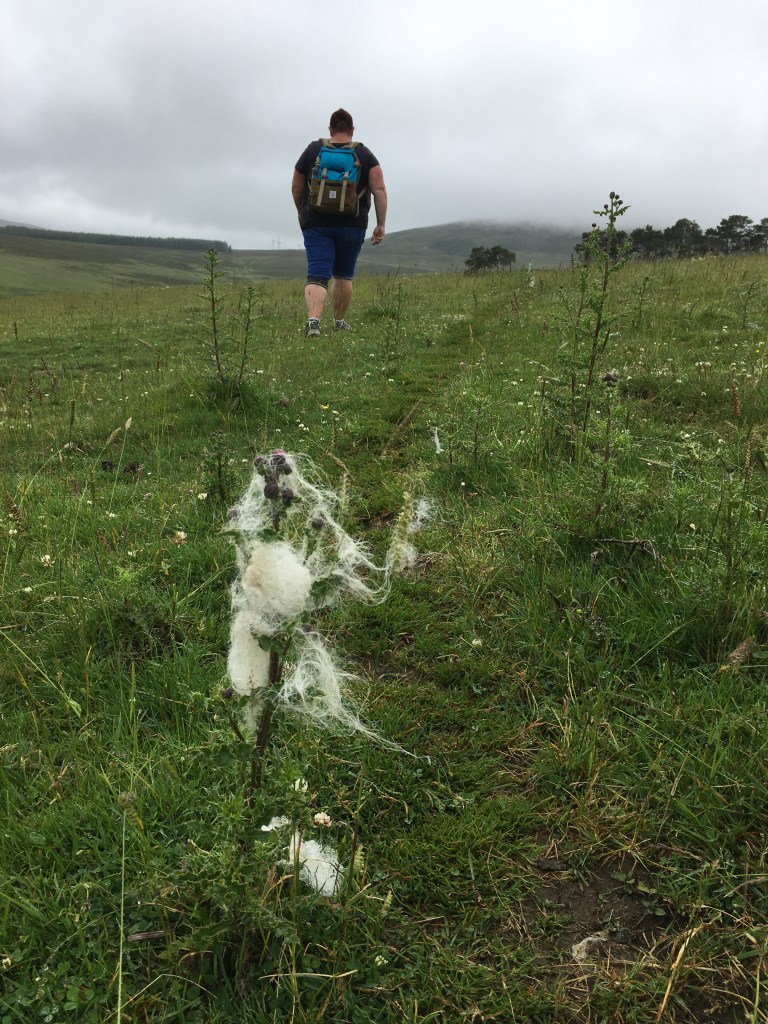
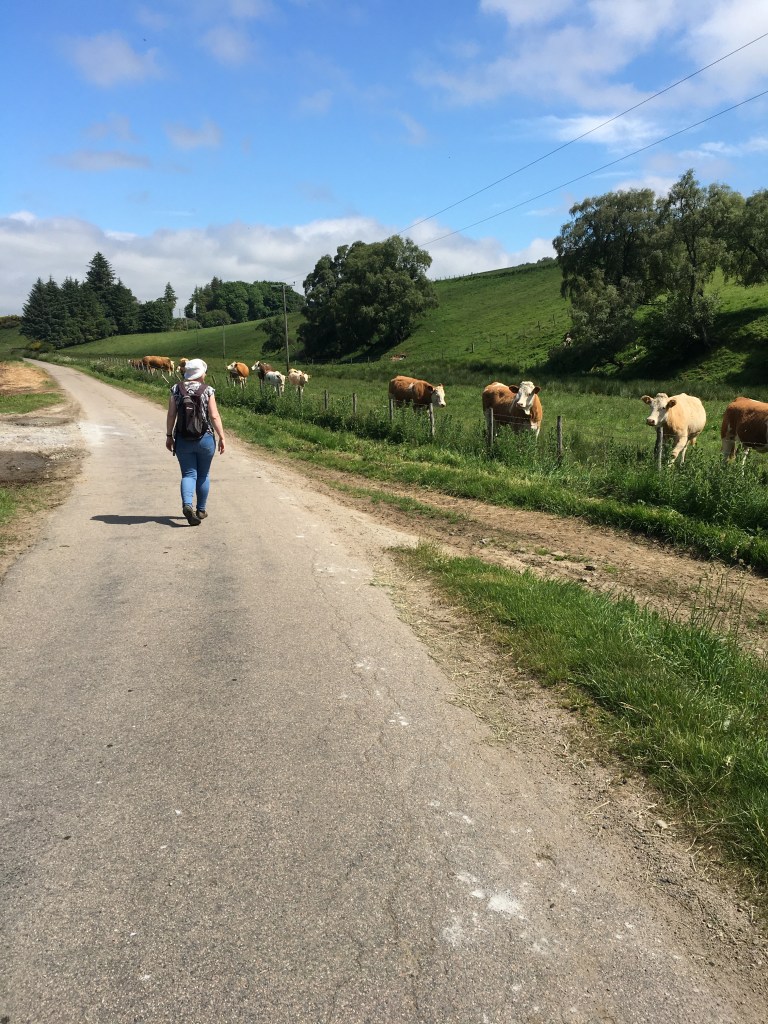
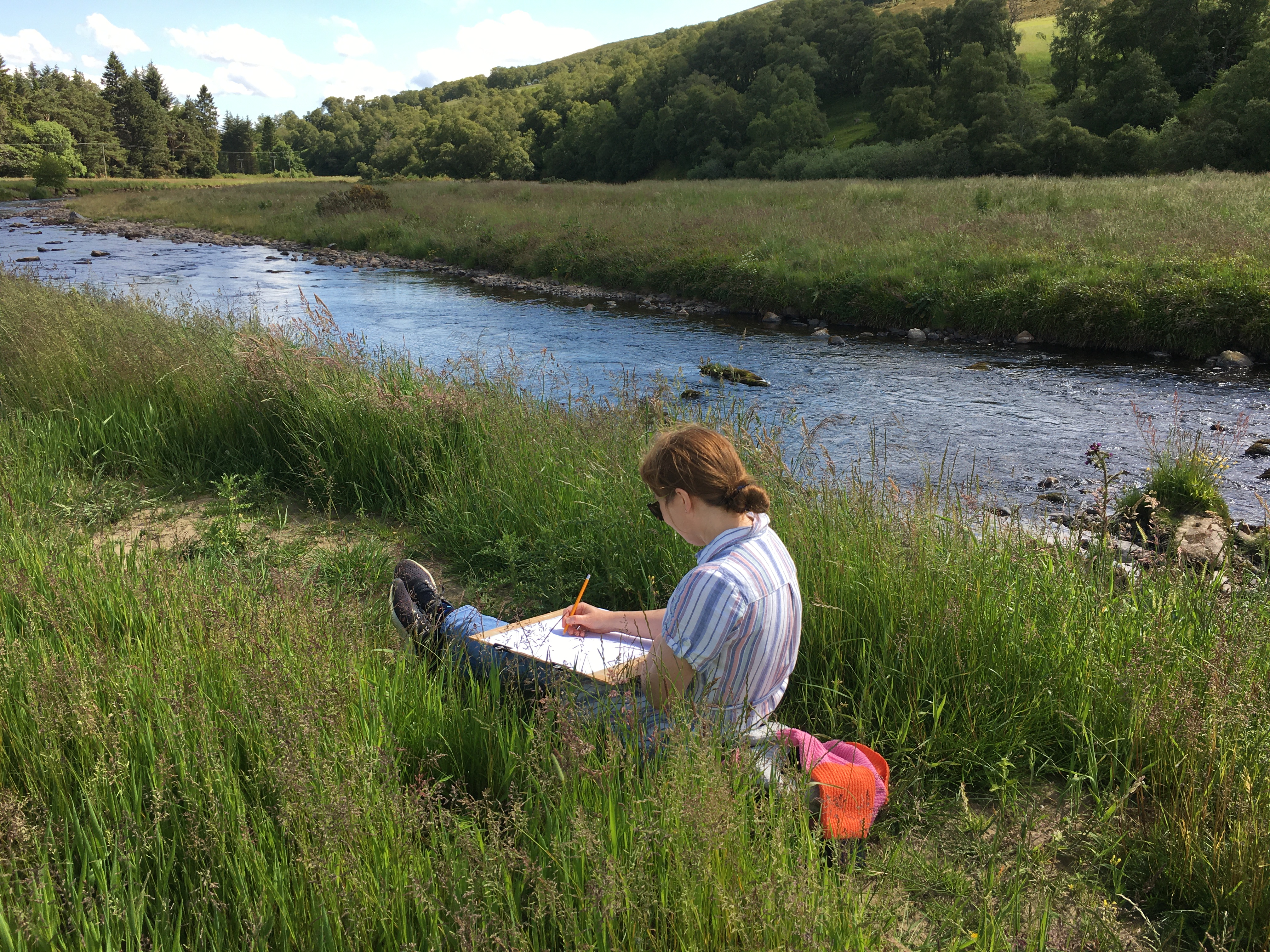
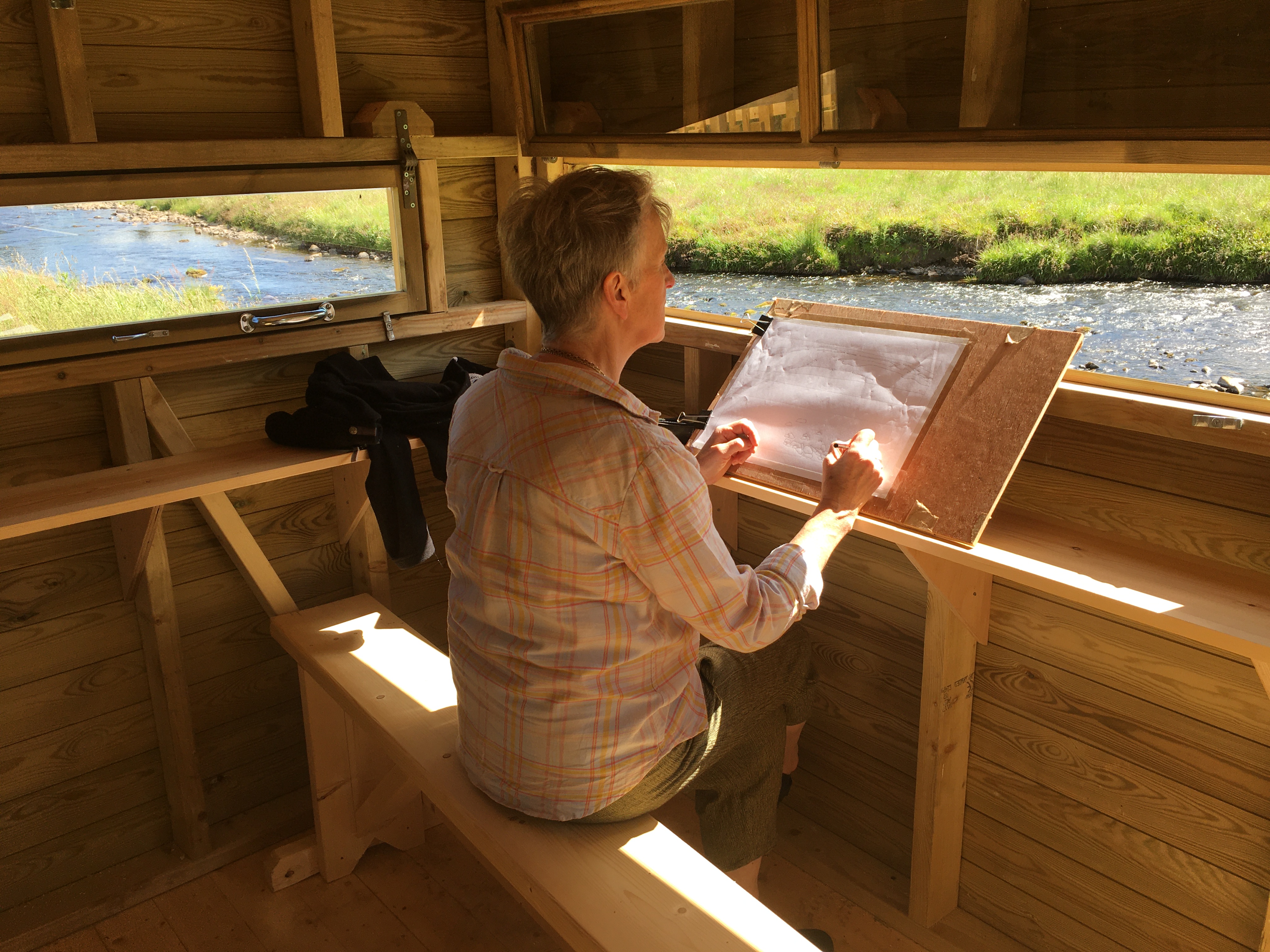
Walking was key to the project. It helped us to understand the geography – physically and psychologically. We saw how mountains and watercourses divide and define the area, for example, and also how the harsh winters dictate what can grow.
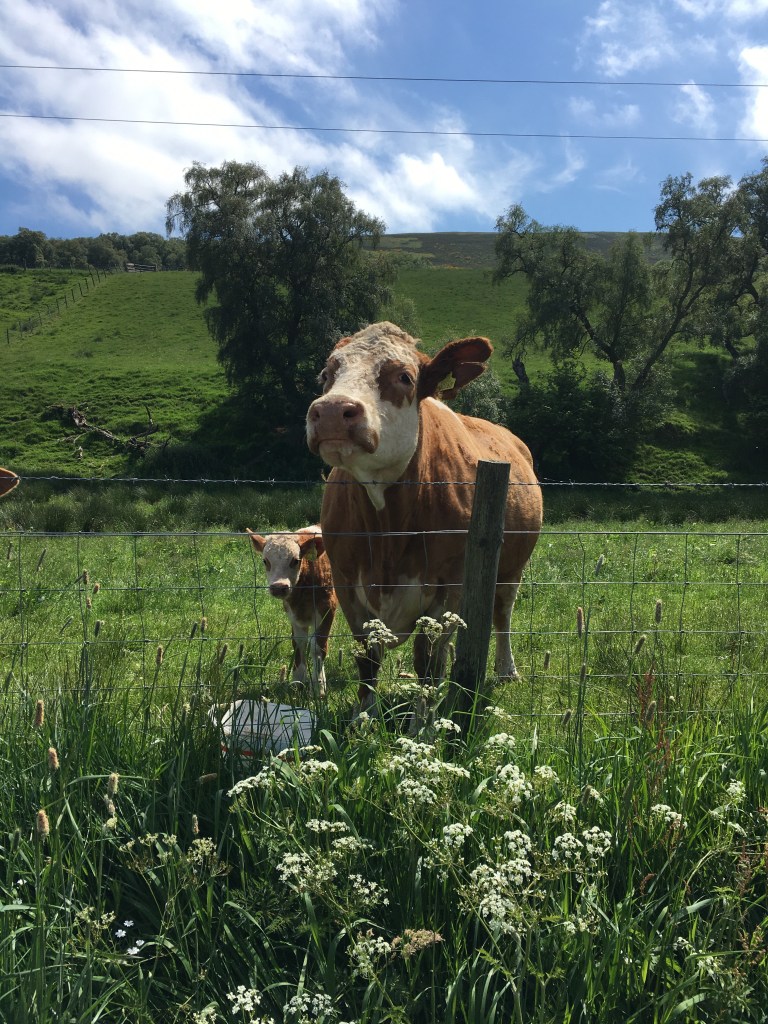
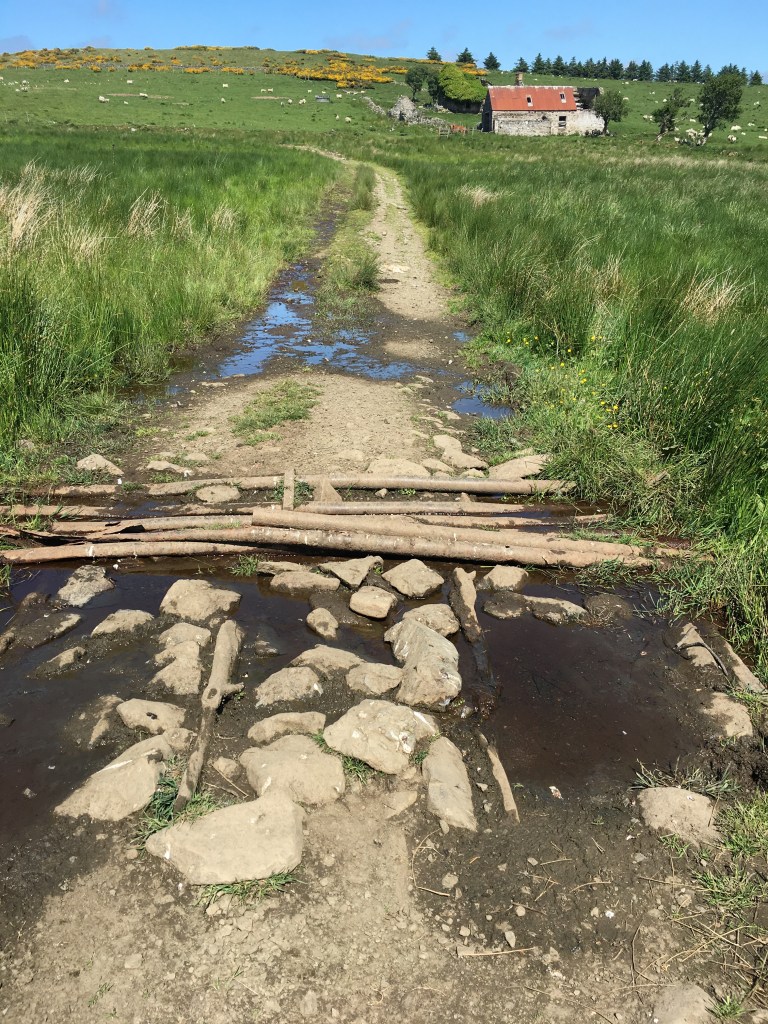
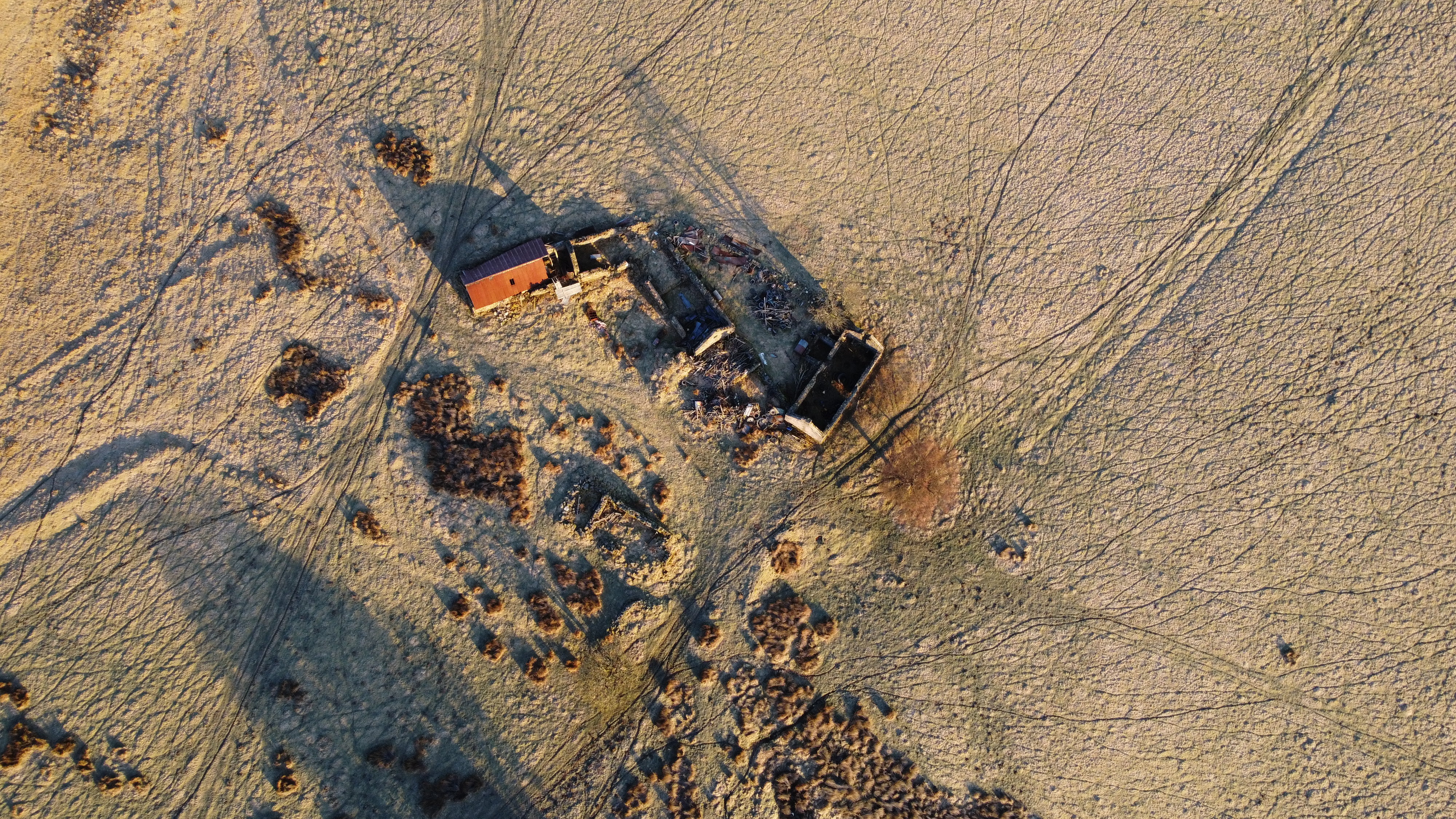
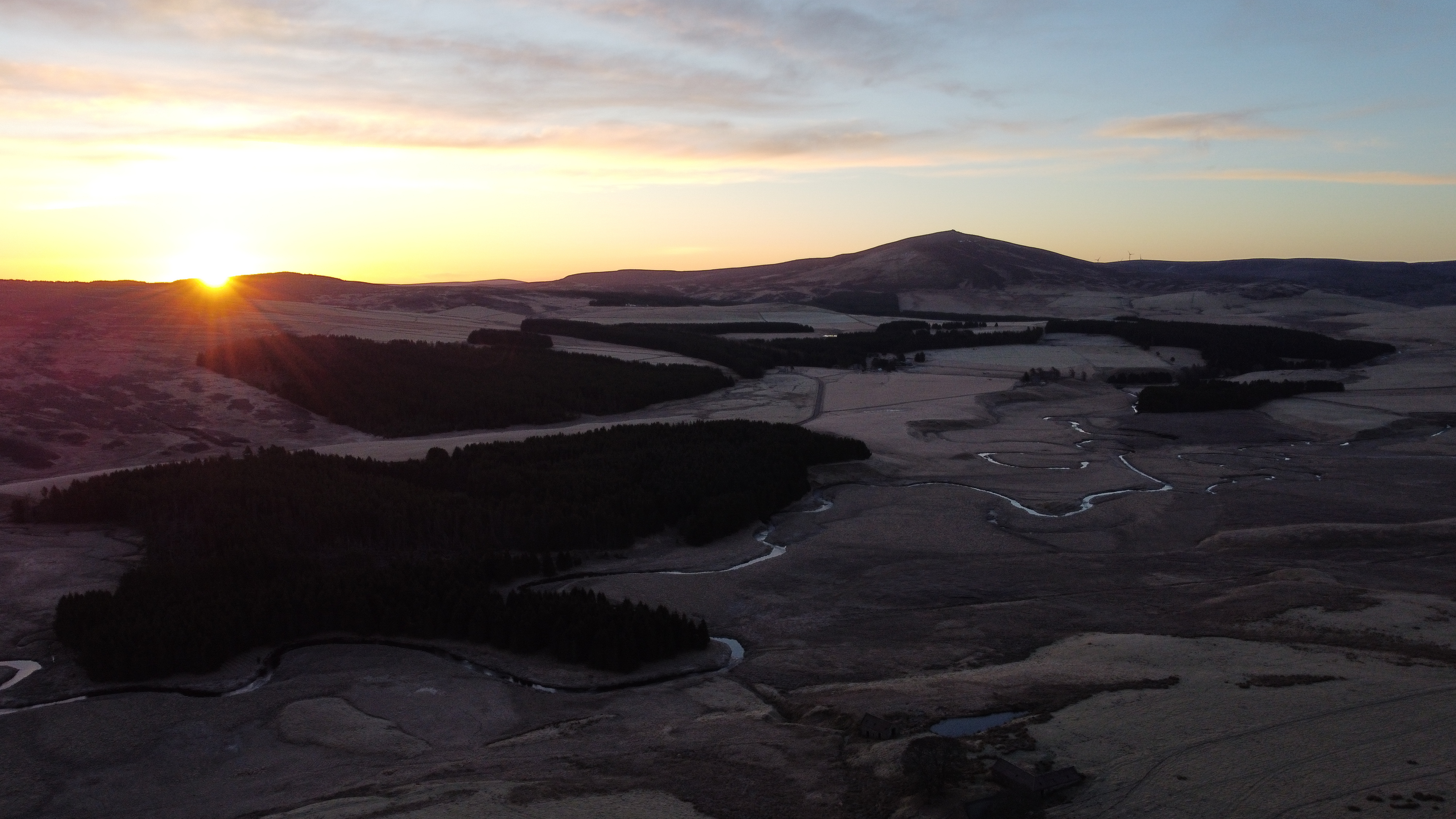
Lynne has a drone and this proved hugely important to getting a grasp on the landscape too – seeing how things fit together from above, and how people’s lives have marked and shaped the landscape – how they have chosen the positions of their homes in relation to geographical features.
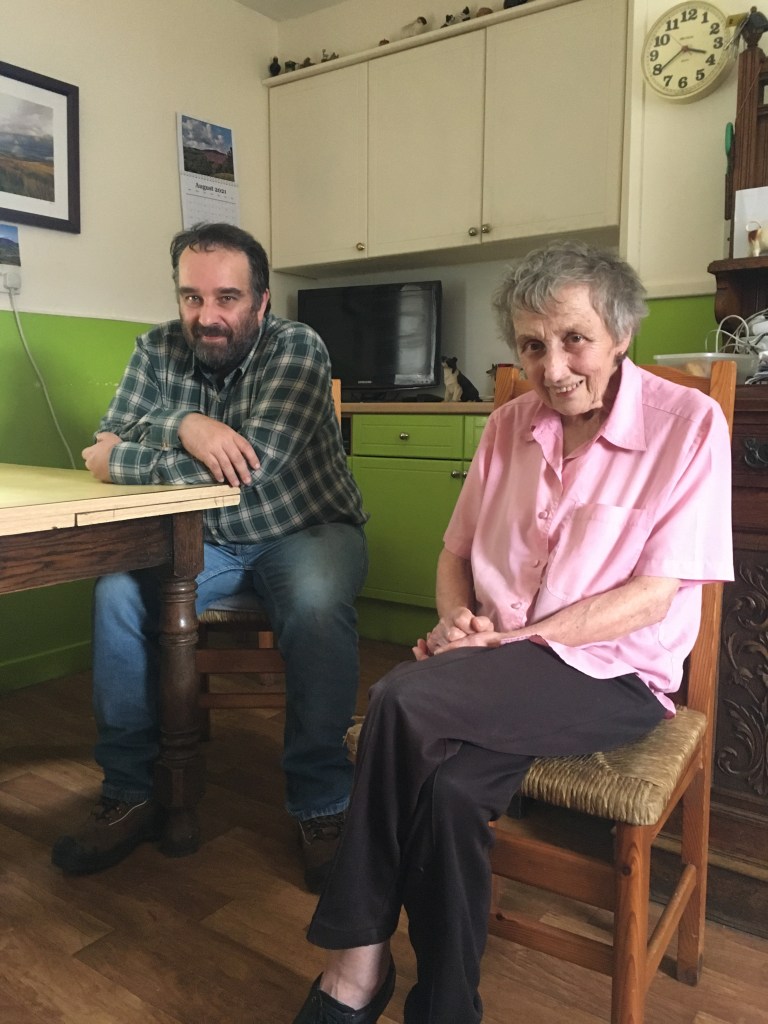
Walking was also of key importance for connecting with and getting to know people. Chance meetings along the way helped us to get to know many people who would never have come along to engagement sessions, and to meet them in their own places where they were relaxed and could tell us about their work.
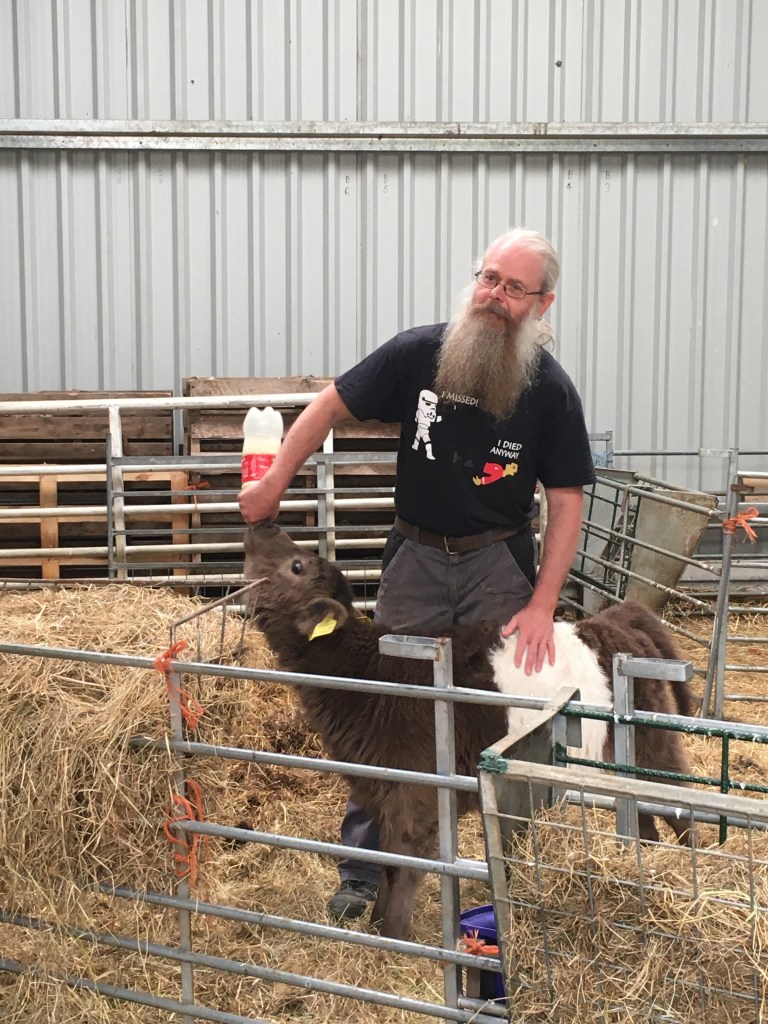
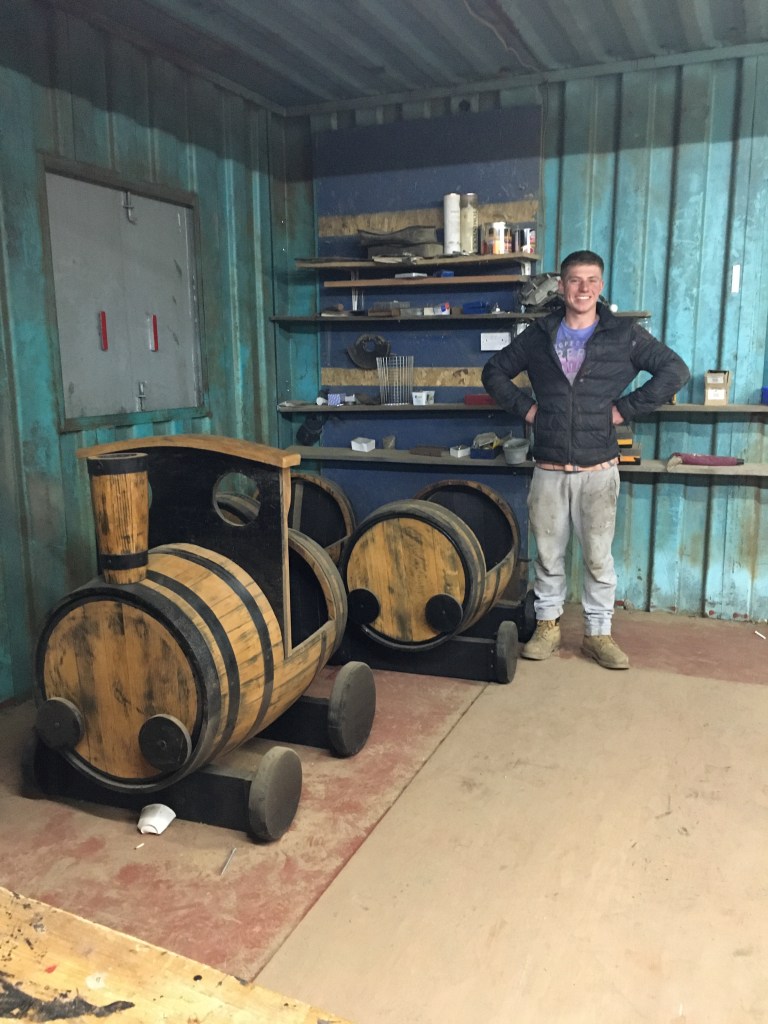
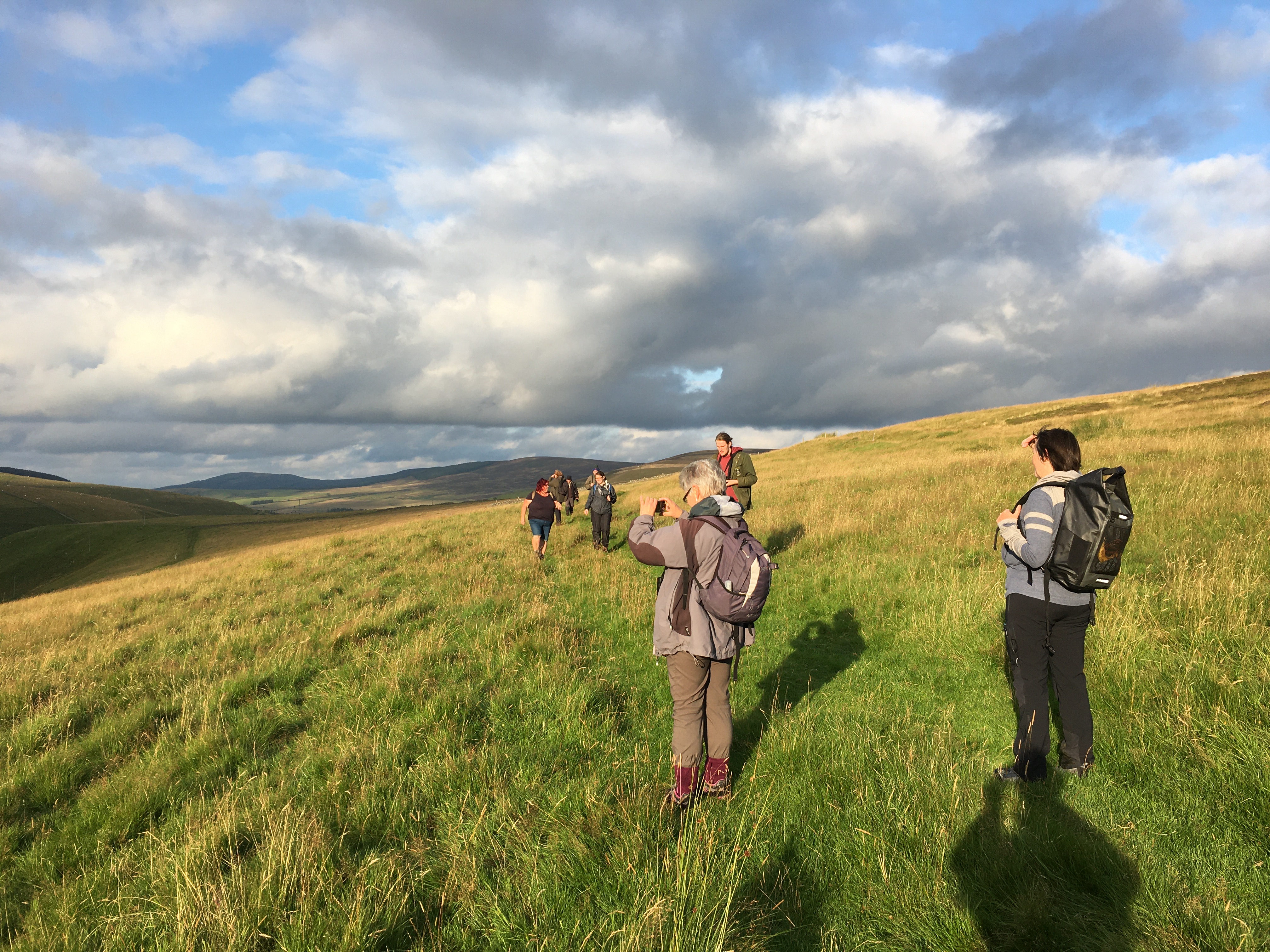
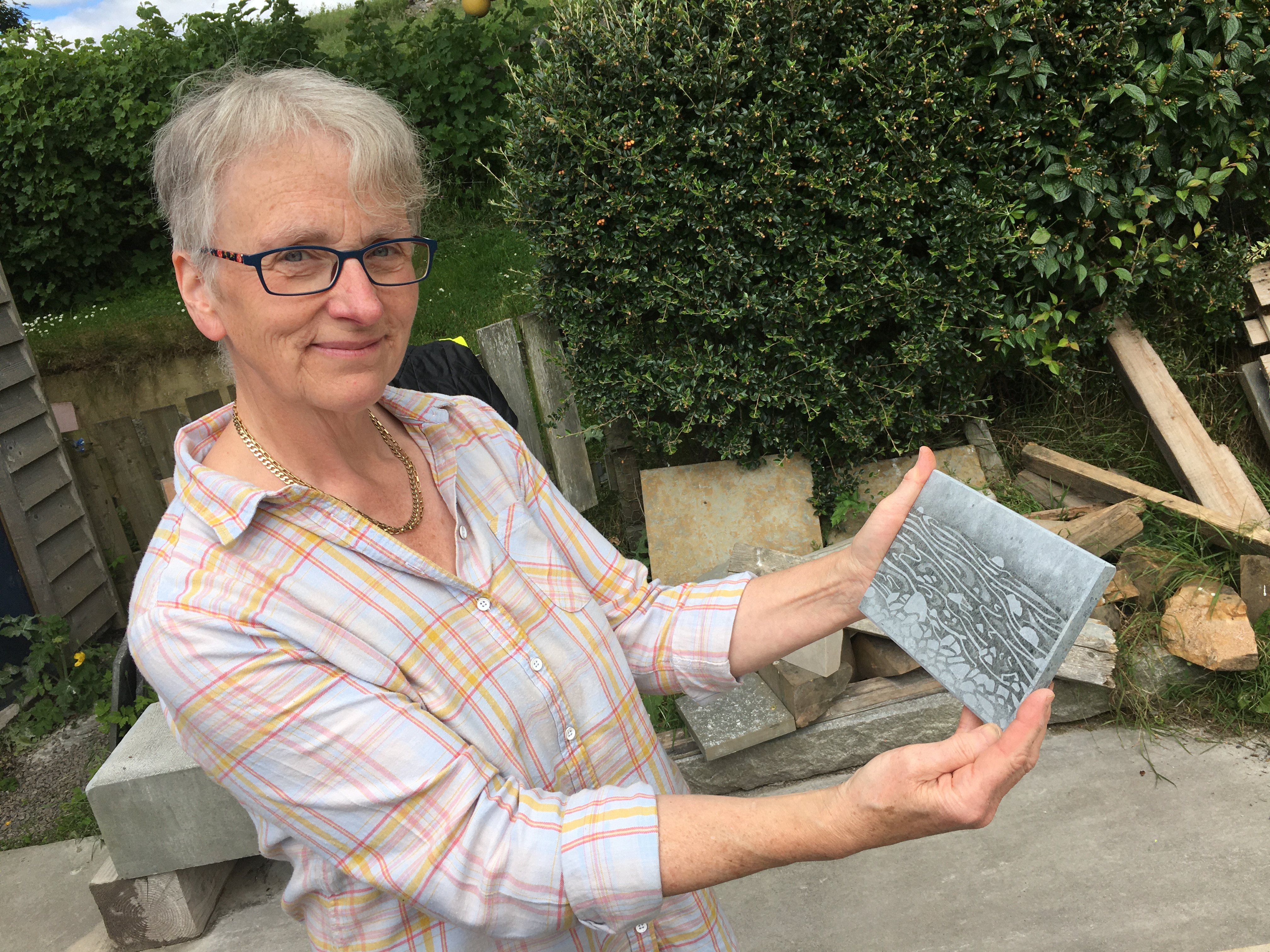
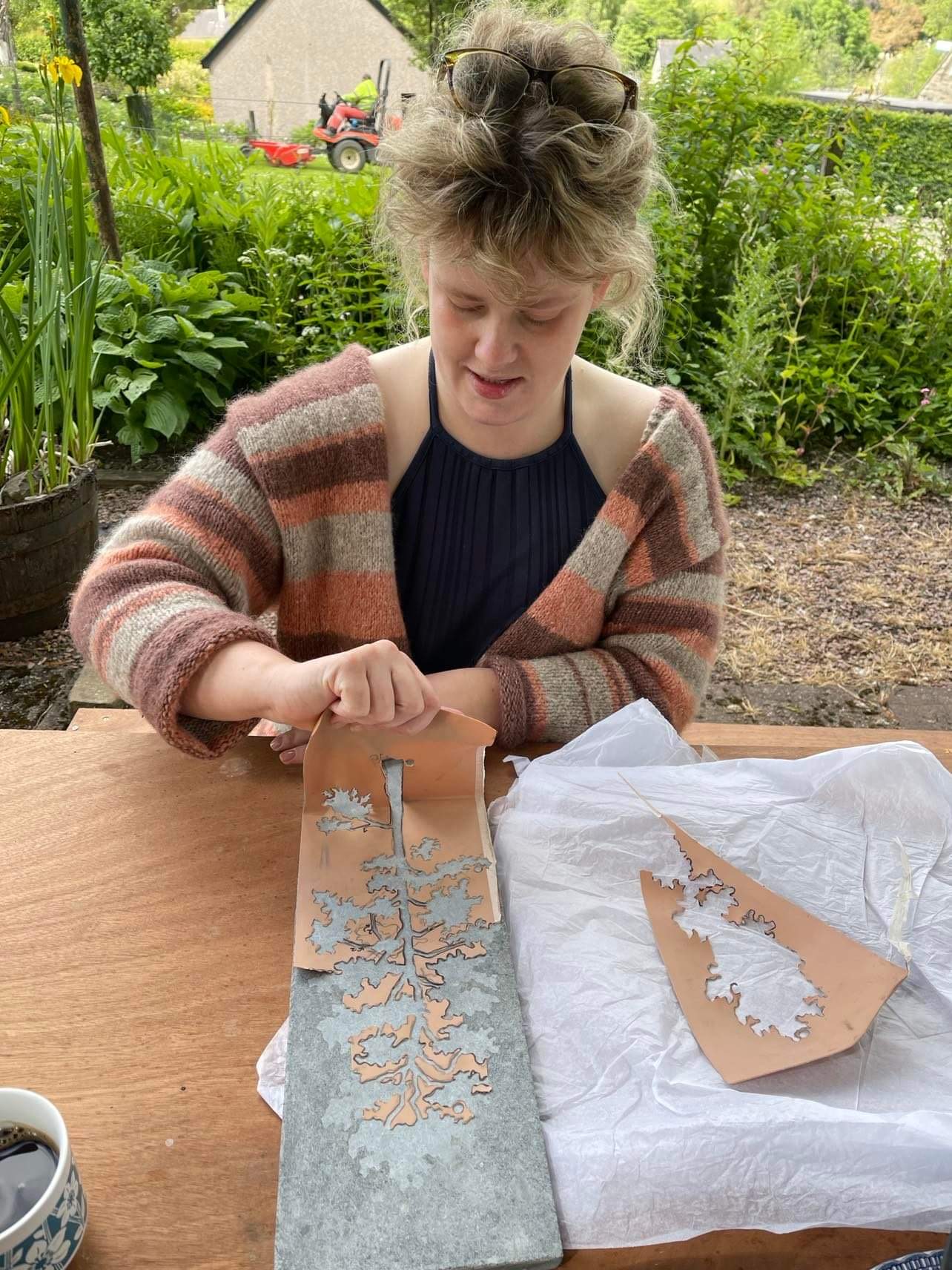
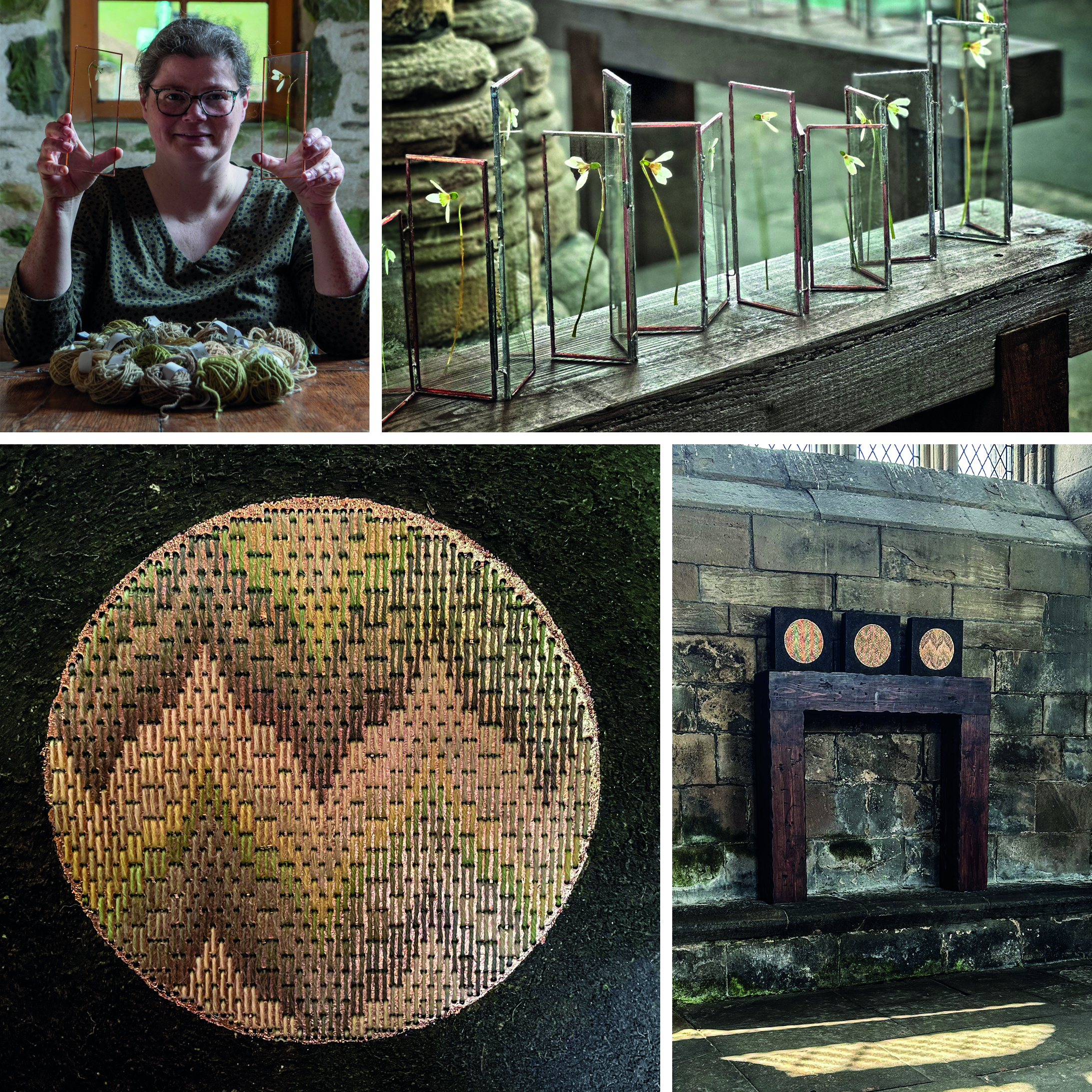
In addition to these informal engagements we organised a programme of creative events – making workshops and creative walks. These both helped us get to know local people (some workshops were specifically for local people), and to introduce the area to others from further afield. We delivered some of these ourselves and some in collaboration with others – for example creative walks with the Dorenell and Glenlivet Rangers, and workshops delivered by metal casting specialist Eden Jolly, and silver jewellery with Megan Falconer.
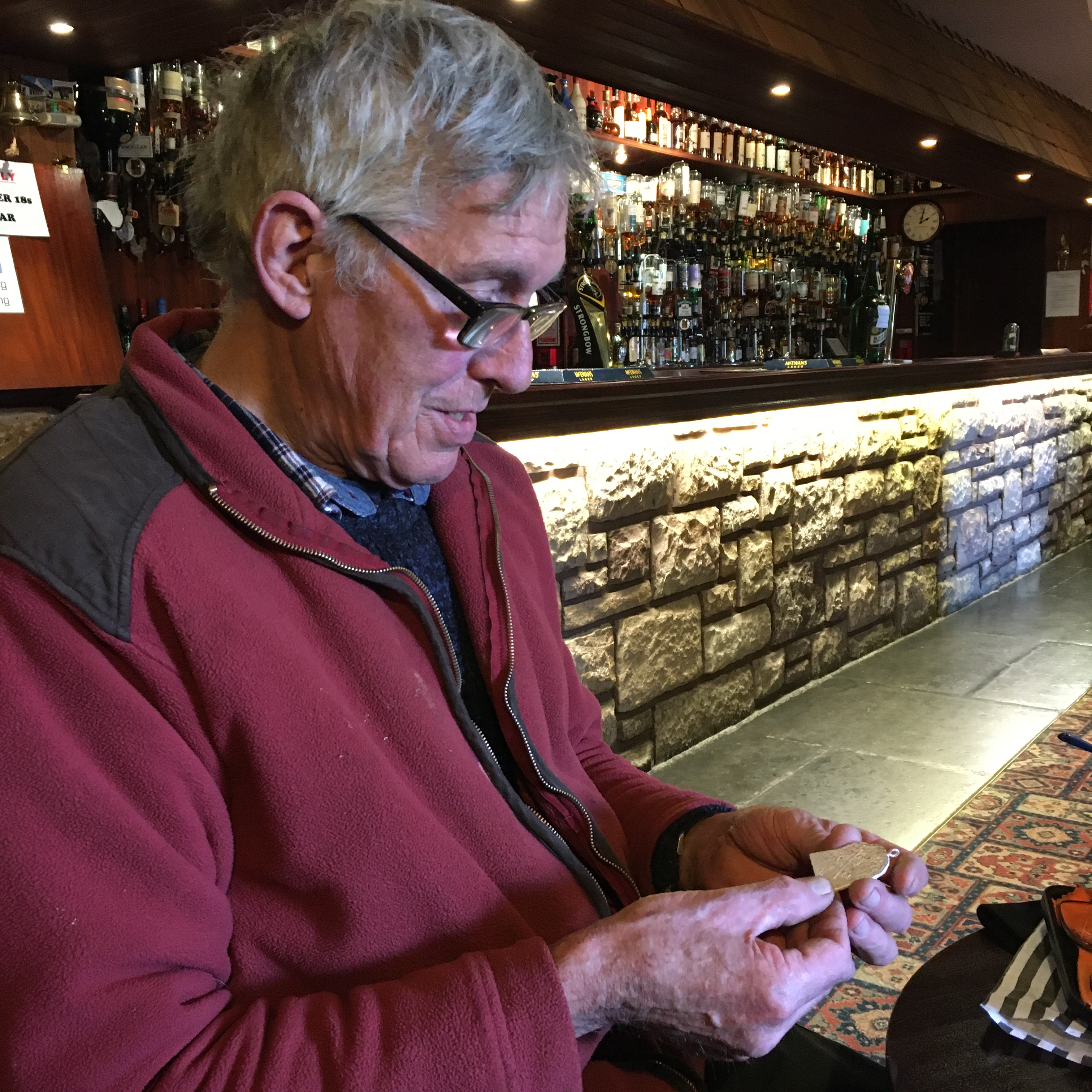
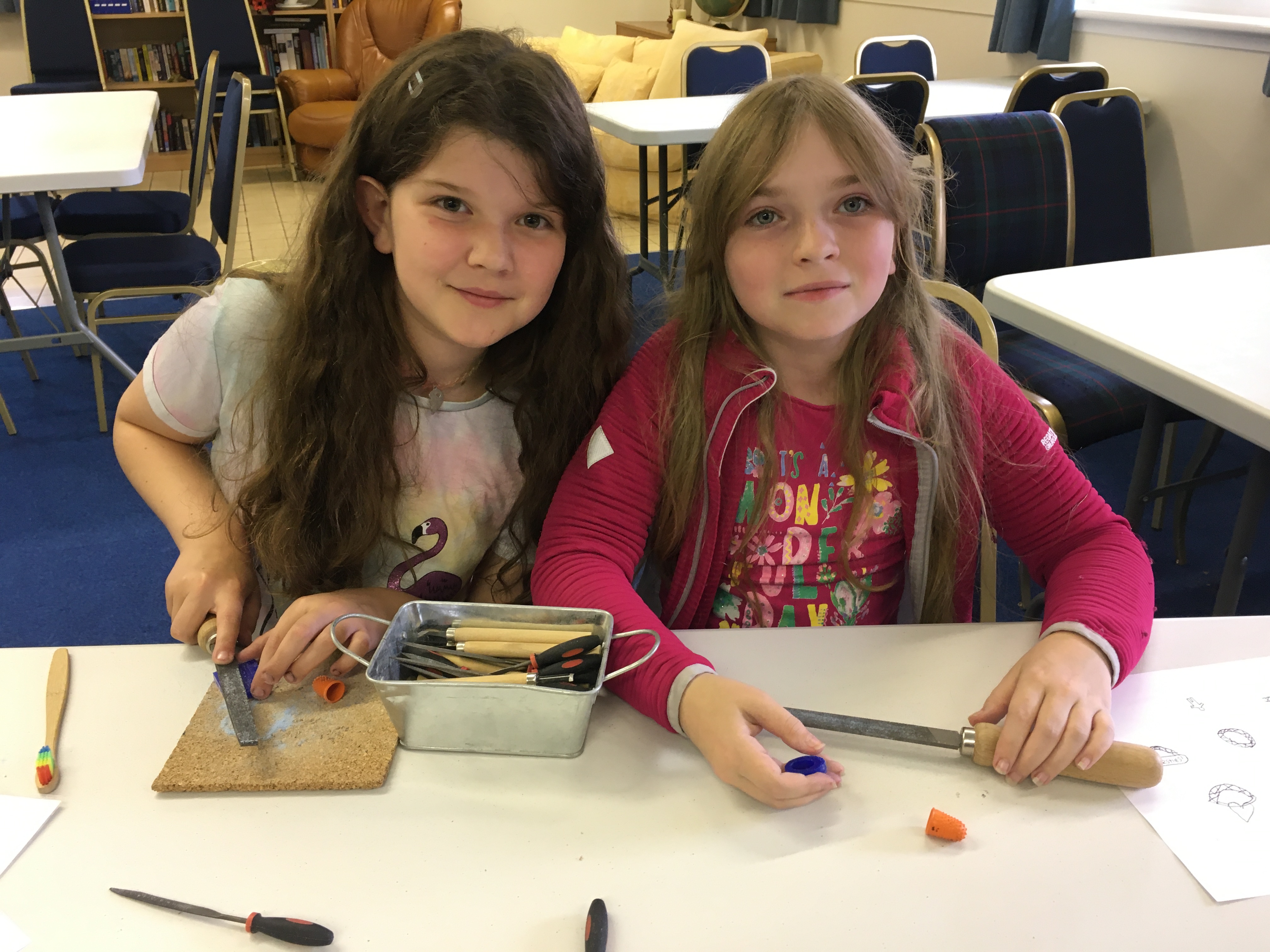

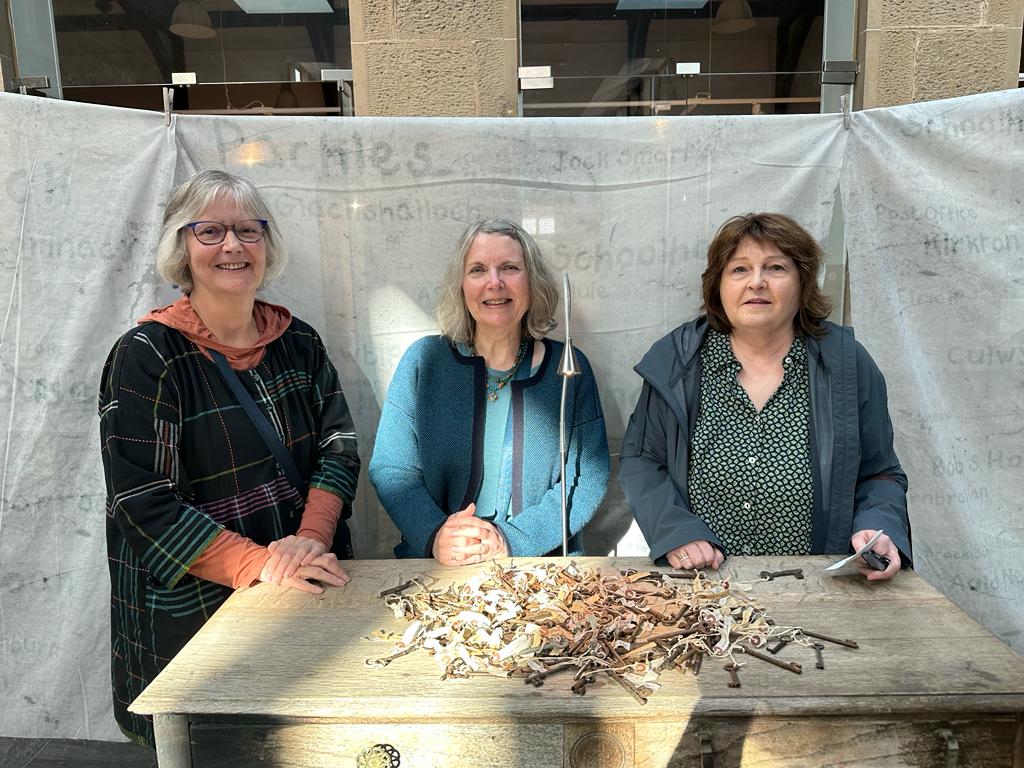
We also developed a regular social media presence and were able to engage with The Cabrach diaspora this way. Pictured here are visitors from Canada with family connections to The Cabrach whom we got to know via social media.
Talking to the farmers in the area we learned how good the soil is. The River Deveron has beat its course back and forth across the shallow basin of The Upper Cabrach leaving rich deposits – it is the climate rather than the soil that limits what can grow here.
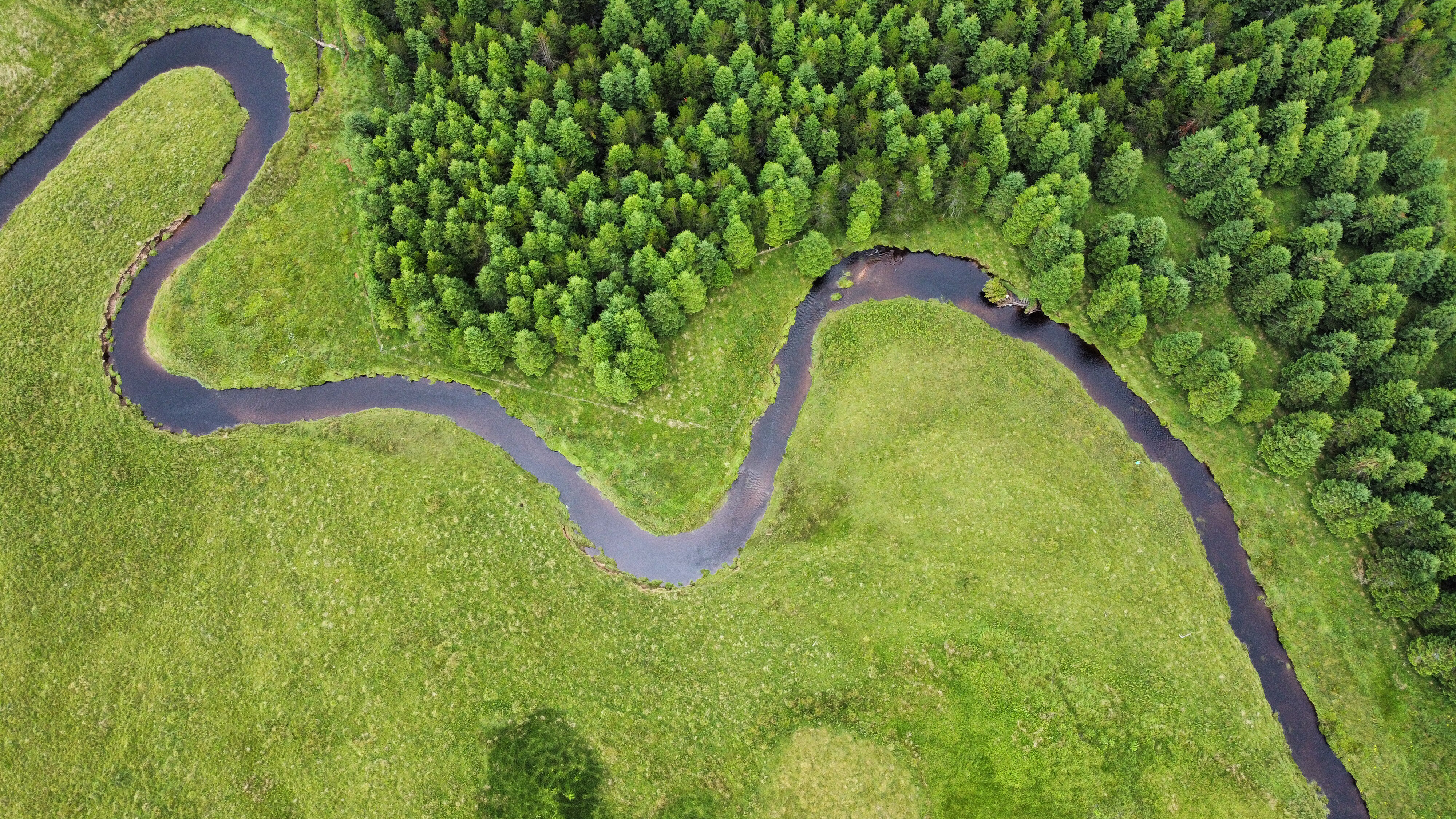
The Statistical Account of Scotland of 1793 states that “The soil is wet, full of swamps, productive enough in provender for cattle; but owing to the frosts, mists, and hoar frost in autumn, the annual produce of grain does not exceed the consumpt of the inhabitants.”
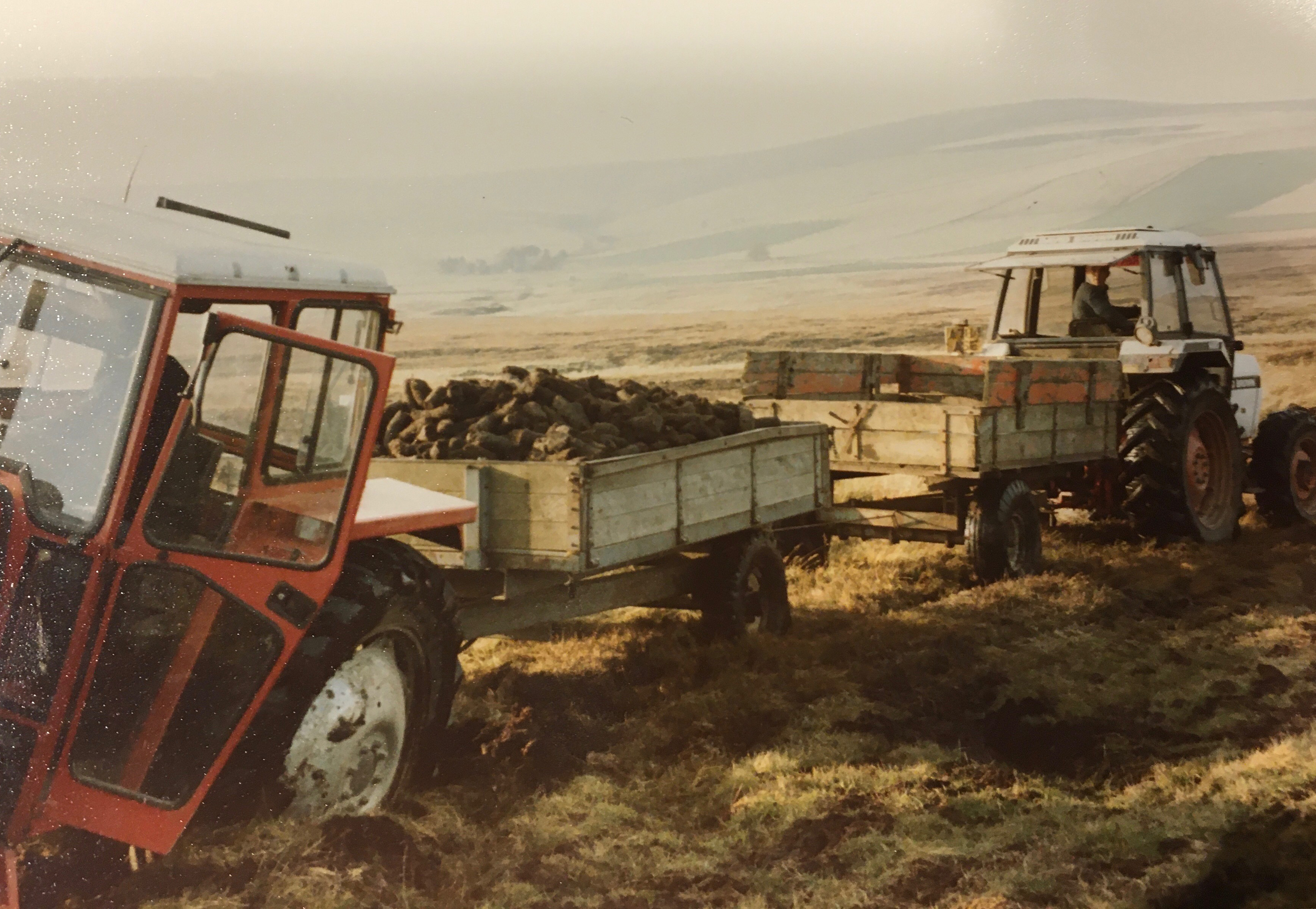
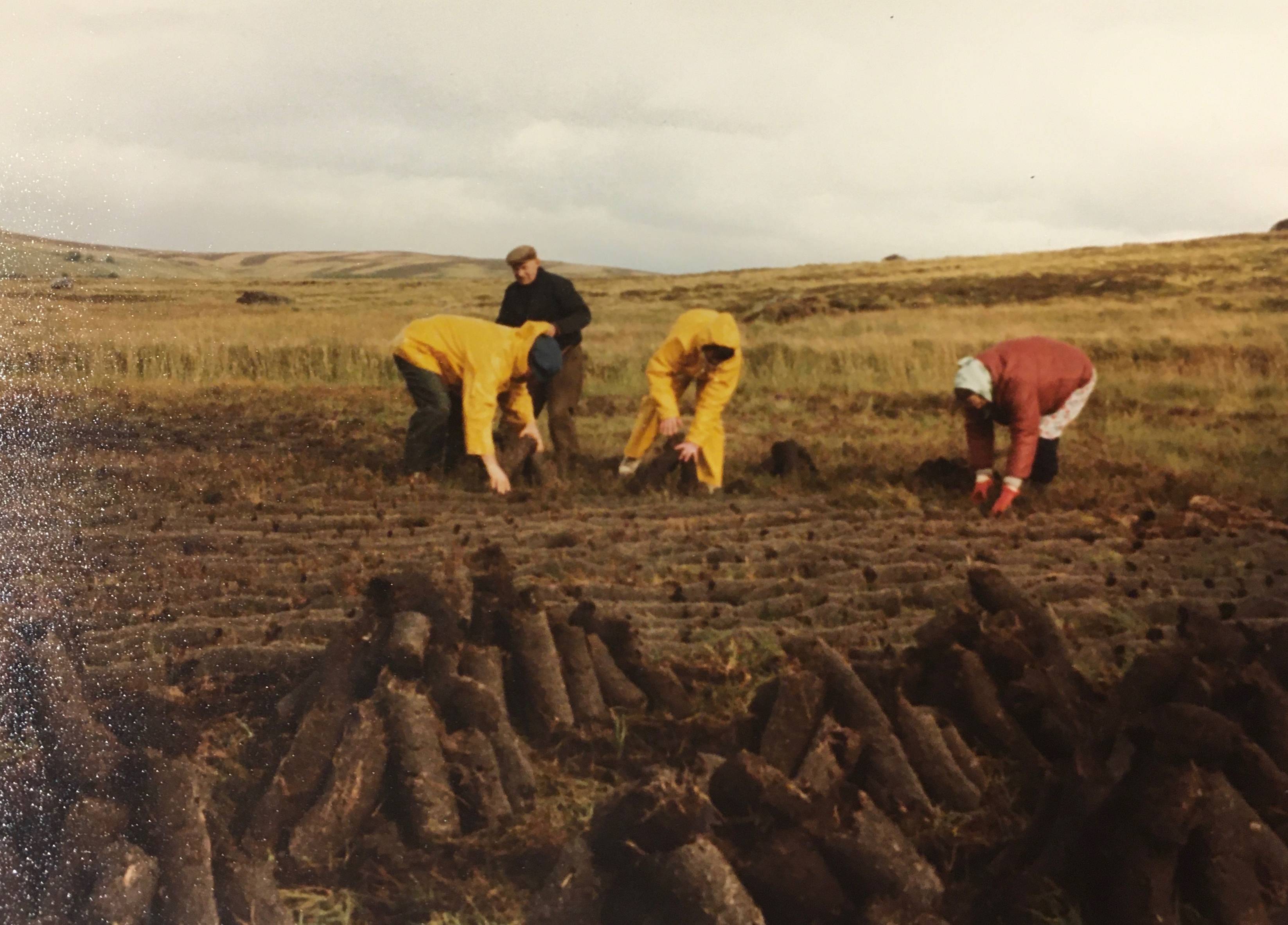
There are also large areas of upland peat in the area, and some of the happiest memories of people who grew up here or came back for the holidays, seem to be of the long summer days spent on the hill at the peats. During our exhibitions many people brought old photos to show us, including those shown here.
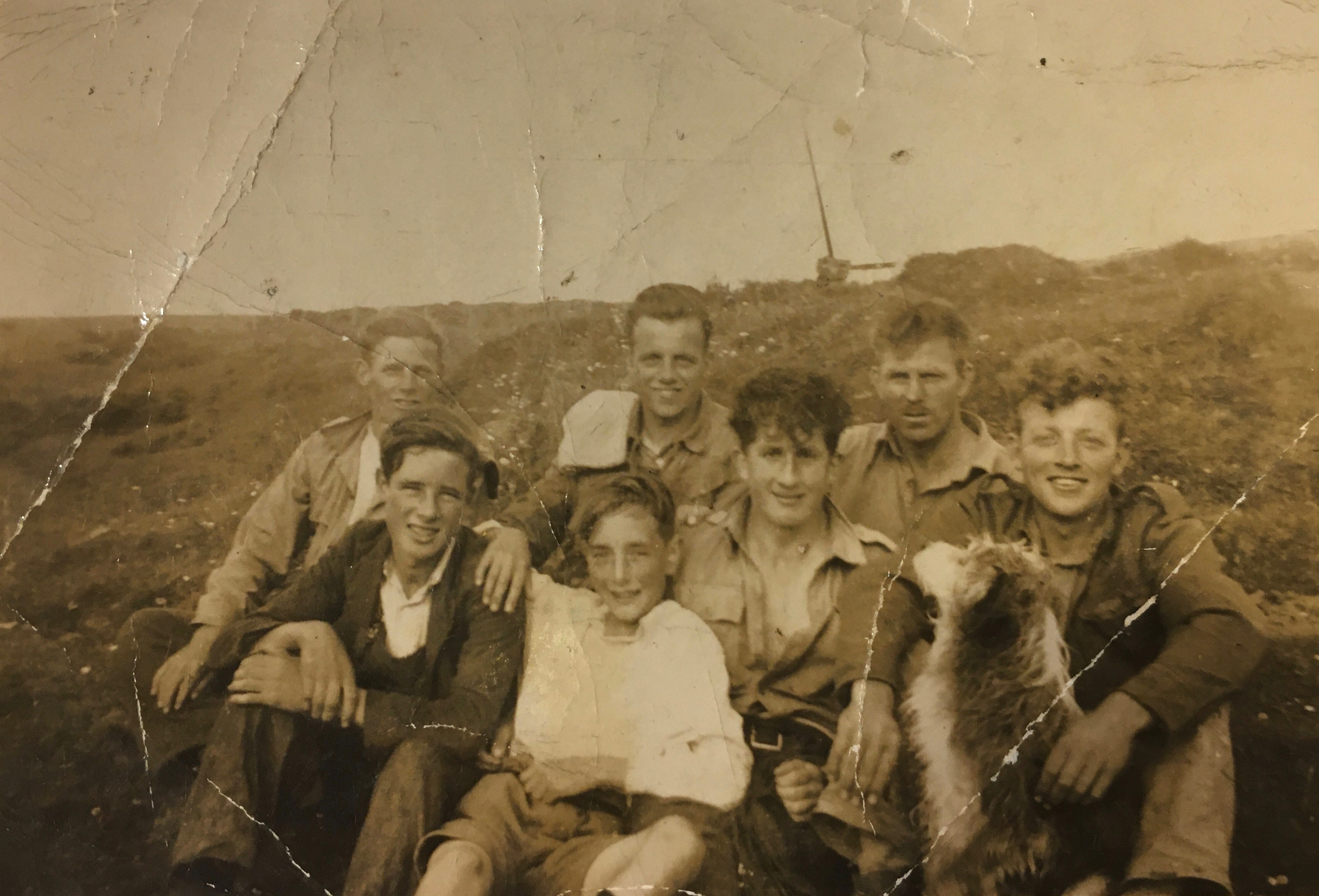
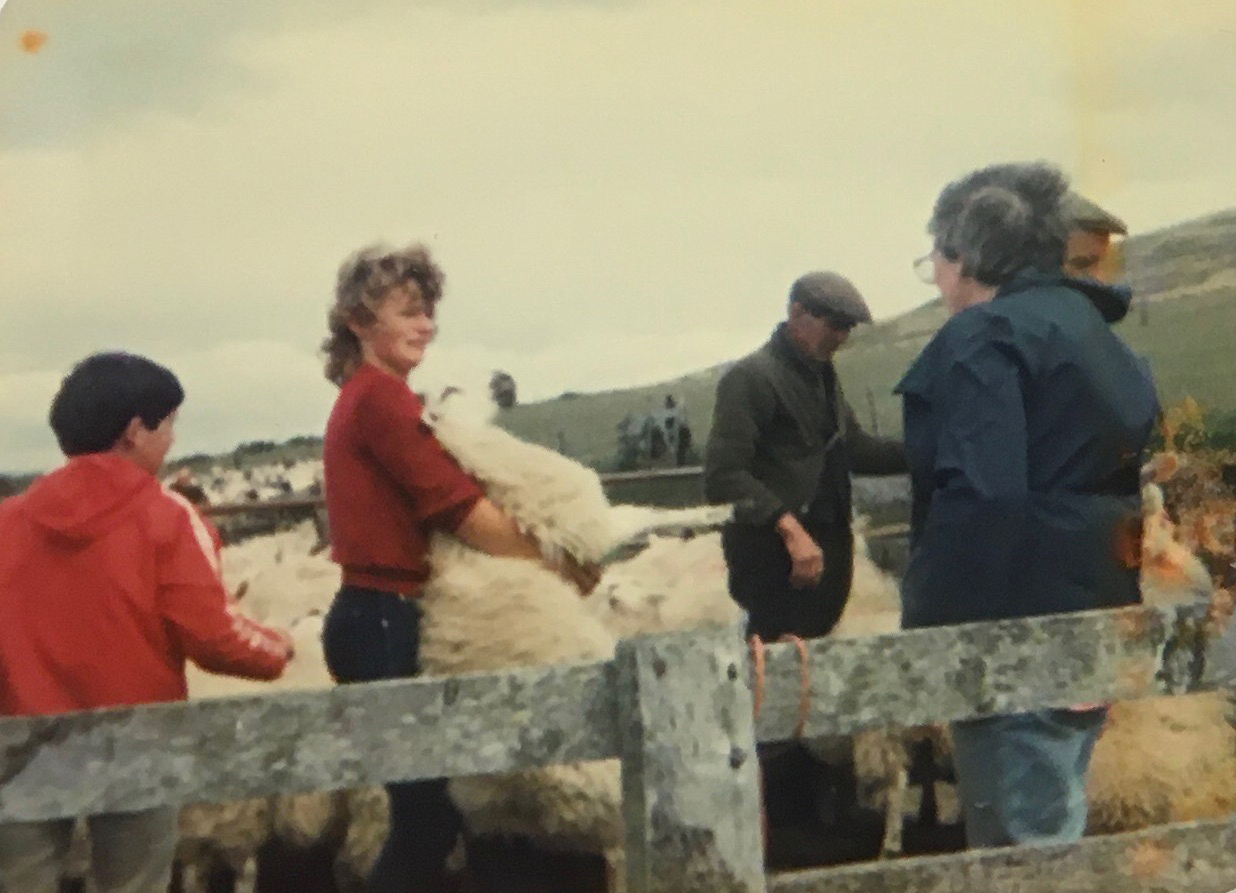
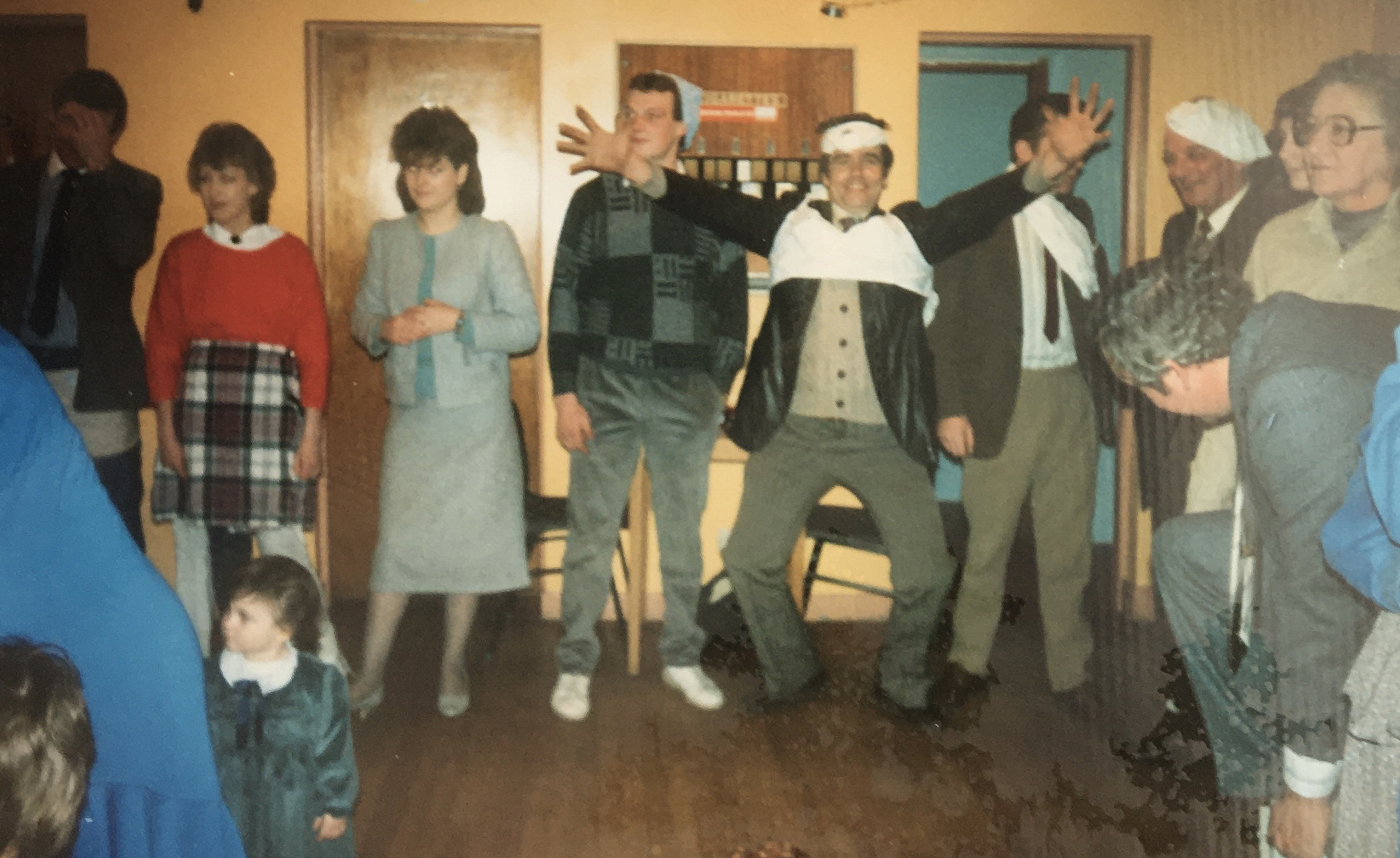
People also talk fondly of the big communal meals at harvest and shearing when everyone had mucked in together, moving from farm to farm. Mechanisation has stopped this now, and farms that would have supported two or more families are now run by one or two people with their tractors and other equipment. Outside contractors also come in and do much of the work. The mechanisation of farming is one of the biggest reasons for the depopulation of rural areas such as this.
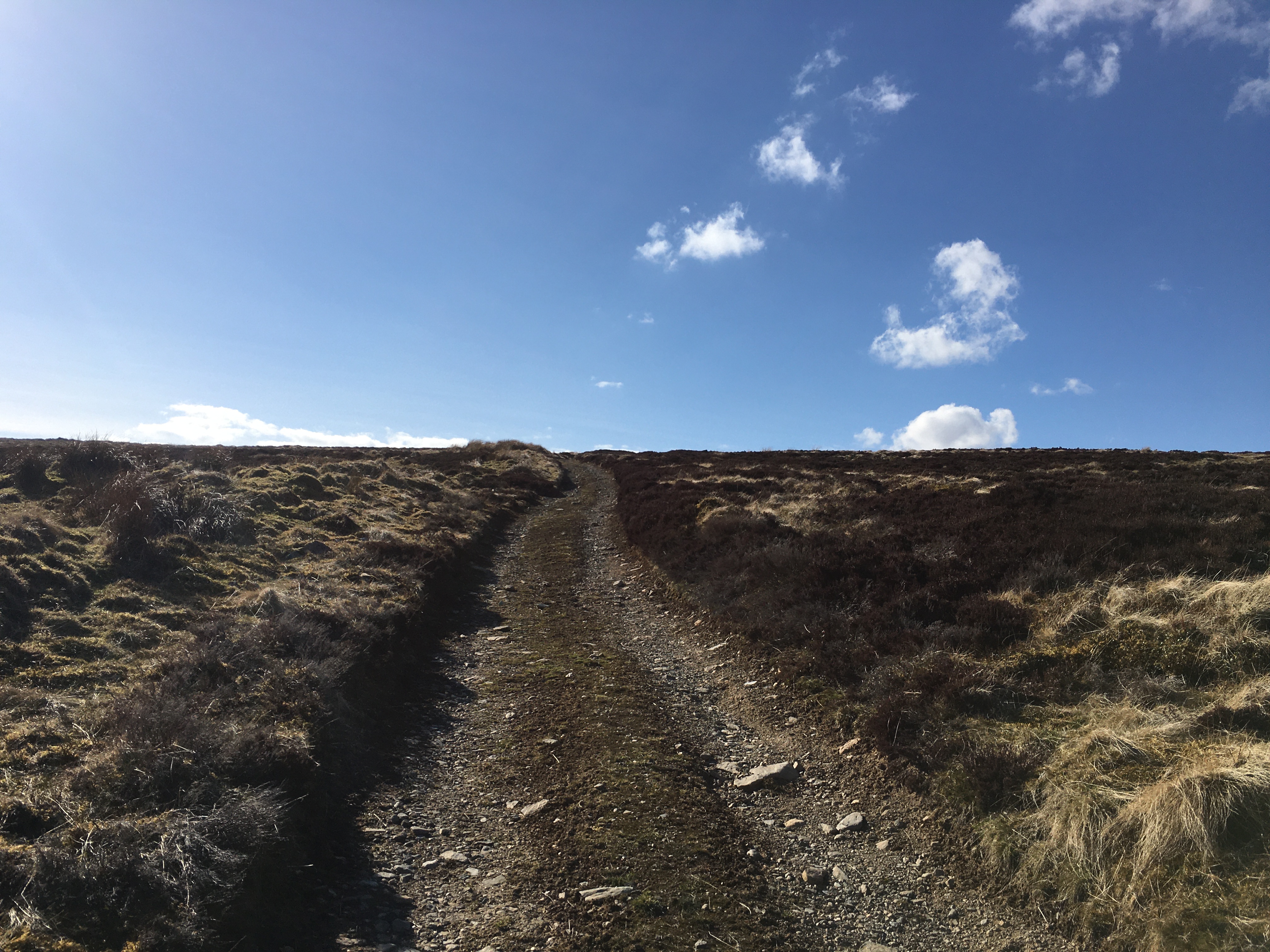
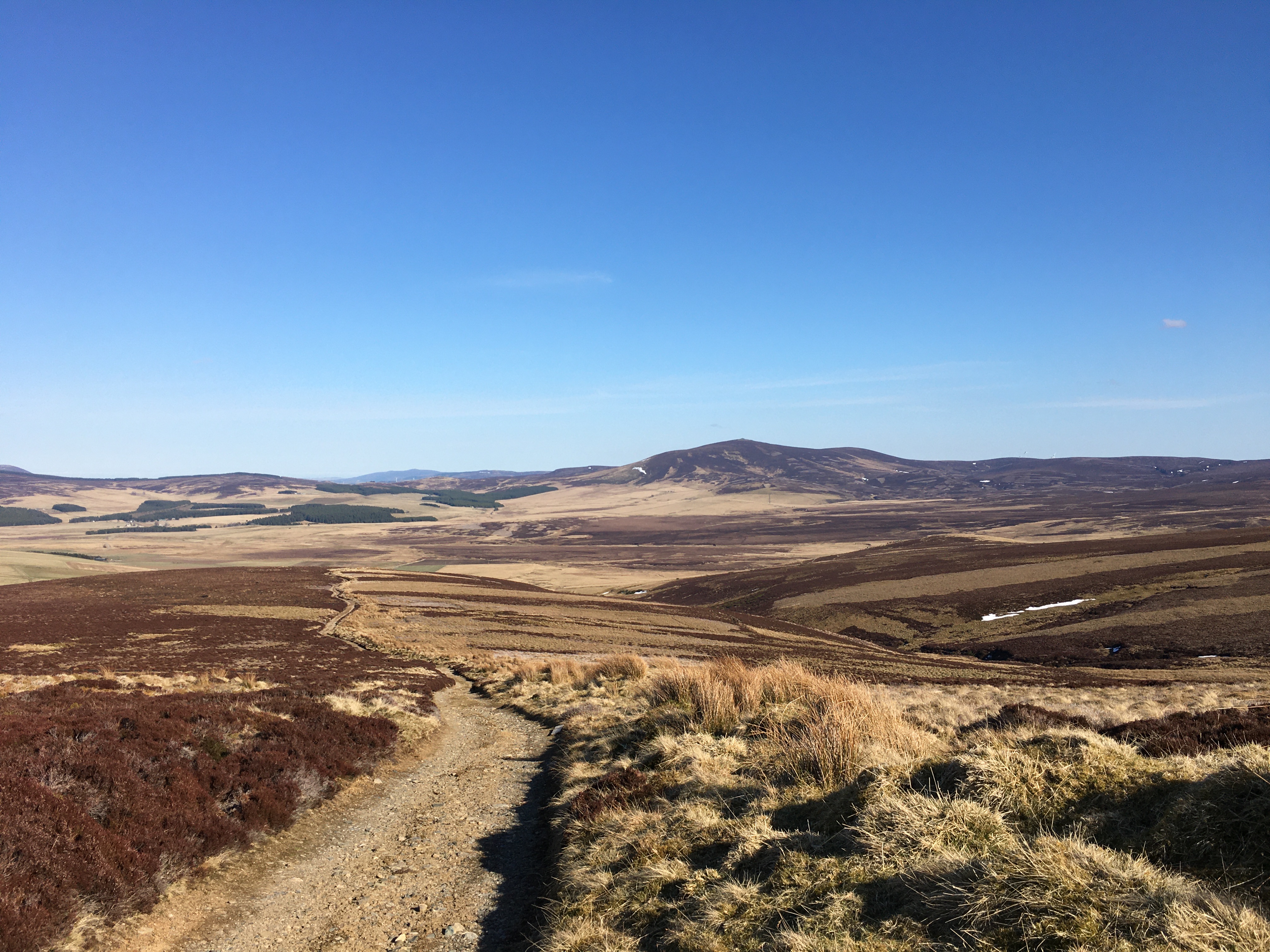
The patterns of roads crossing the area have had a huge influence on how people live there. Before motor vehicles, an important drove road crossed The Cabrach heading South. This was supported by inns and pastures for overnighting, but the coming of road transport killed the droving trade. The new tarred roads ran along the other side of The Cabrach leaving the small communities along the drove road high and dry.
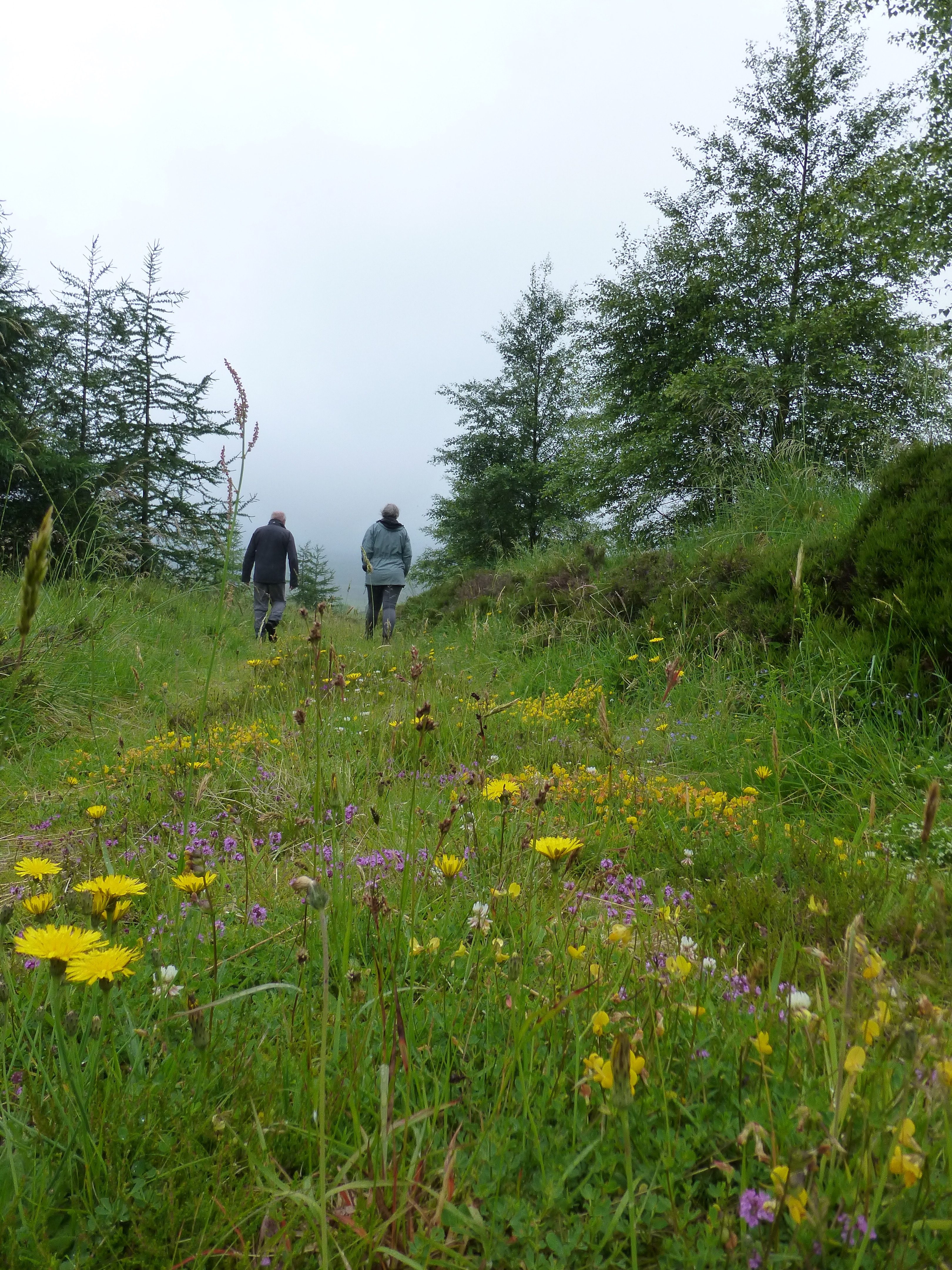
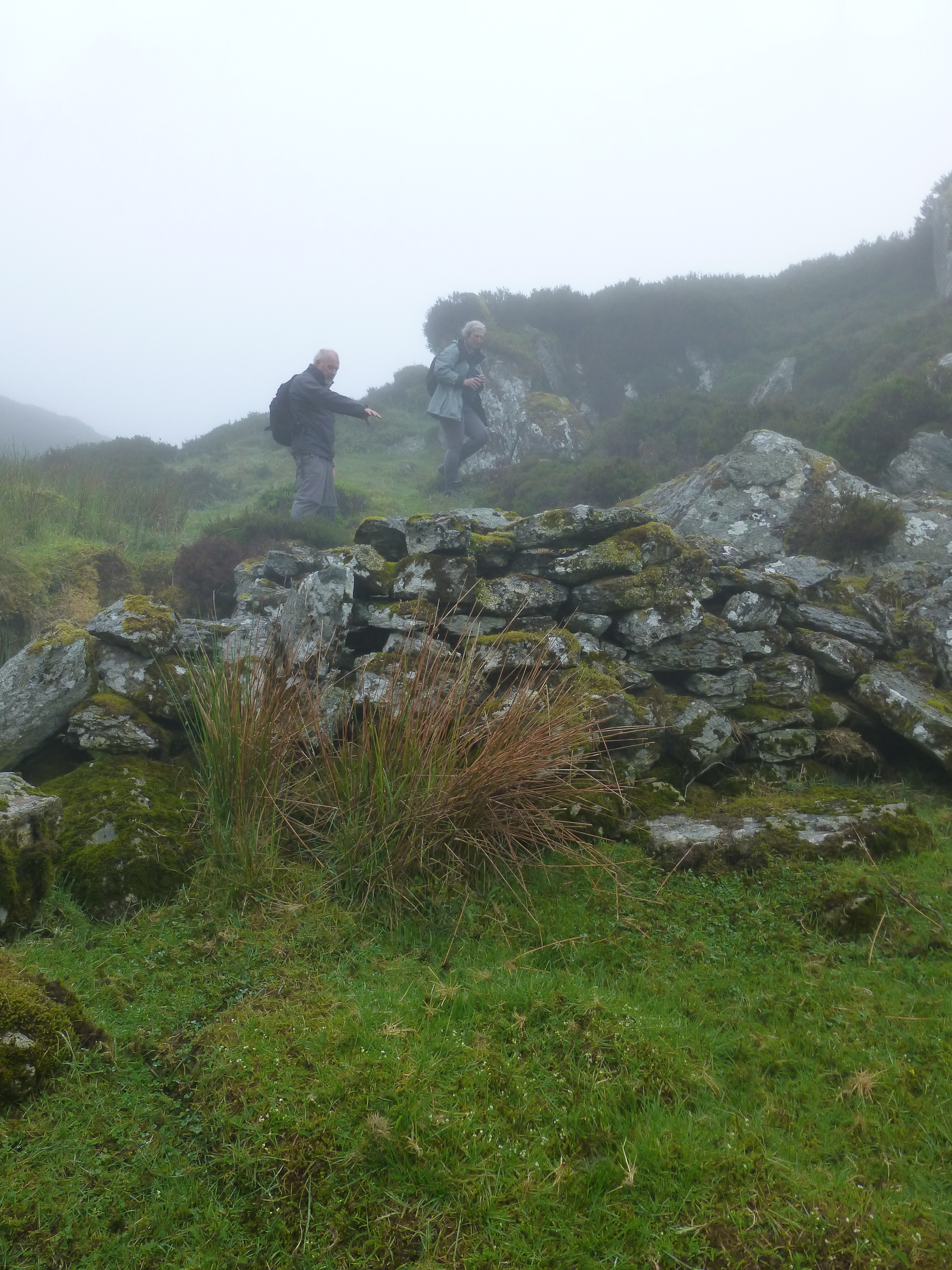
For many years people in The Cabrach supplemented their meagre incomes with the production of illicit whisky, tucking stills away in folds of the hills and no doubt carrying on a brisk trade with the drovers. But the legalisation of whisky meant distilleries relocated to more readily accessible places, taking skilled distillers with them. Local whisky historian Colin Mackenzie took us to see some illicit stills hidden in the folds of the hills.
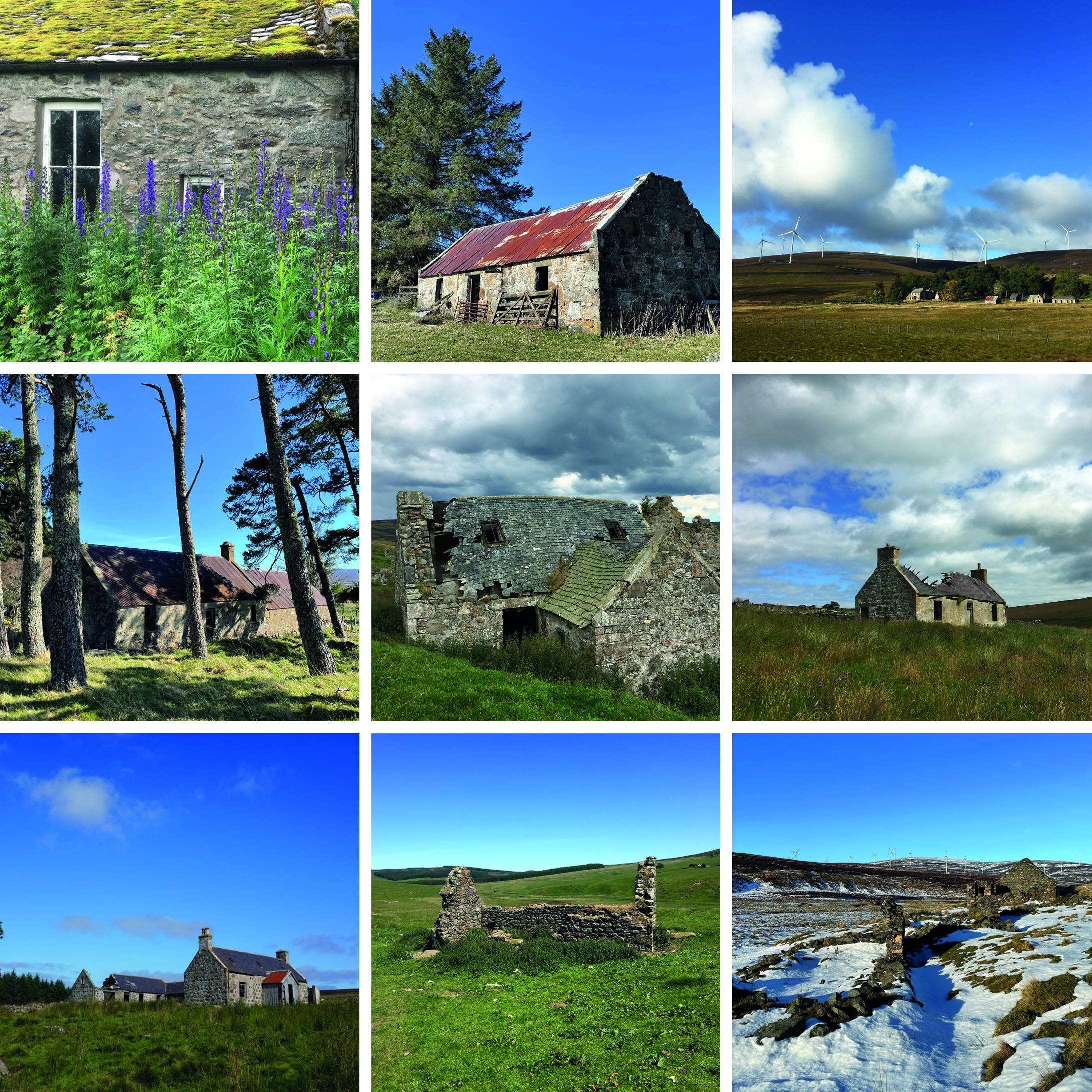
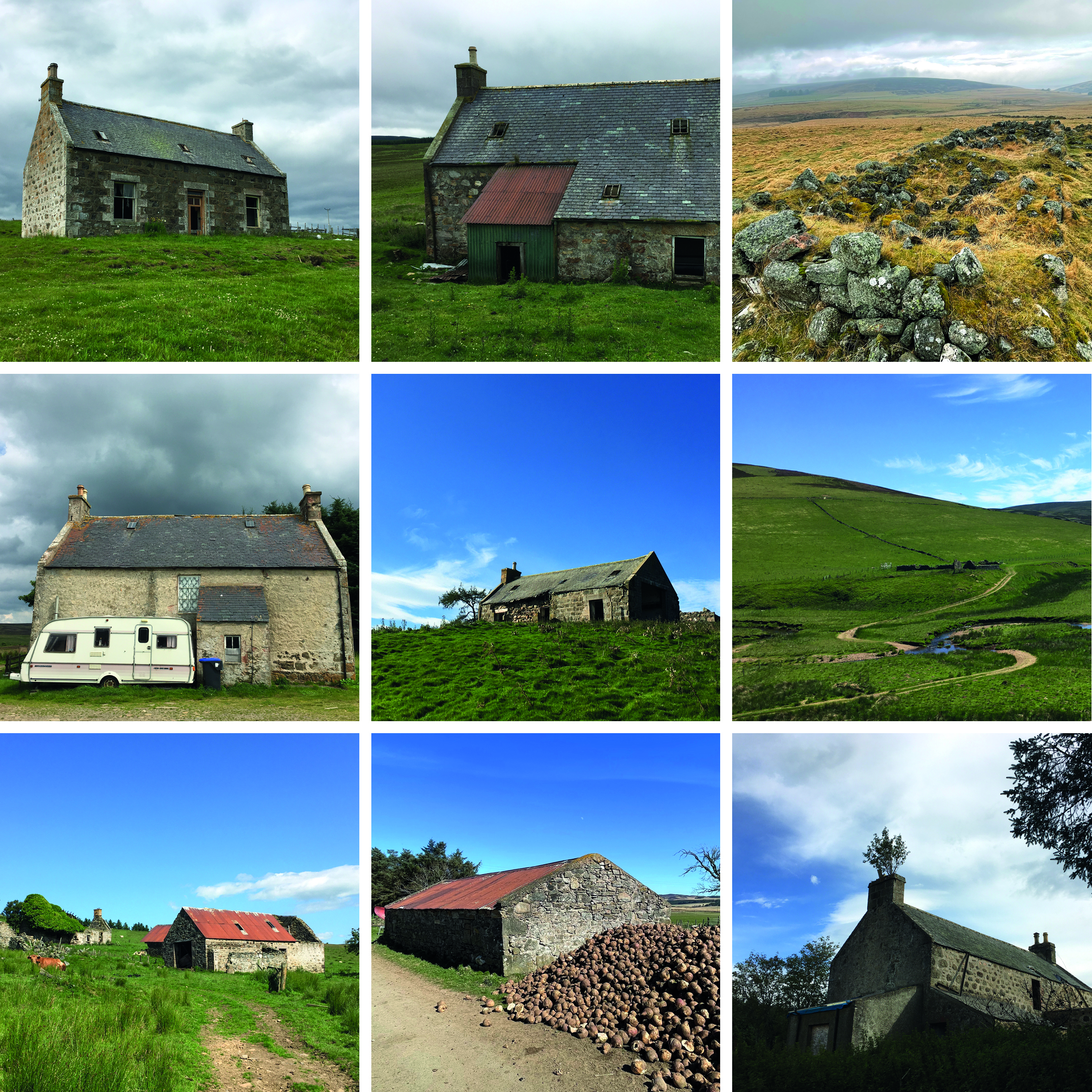
More and more people left the area looking for easier lives elsewhere, a drift that was accelerated by the First World War.
Now whole settlements are gone and places where constellations of lights shone at night now lie dark.
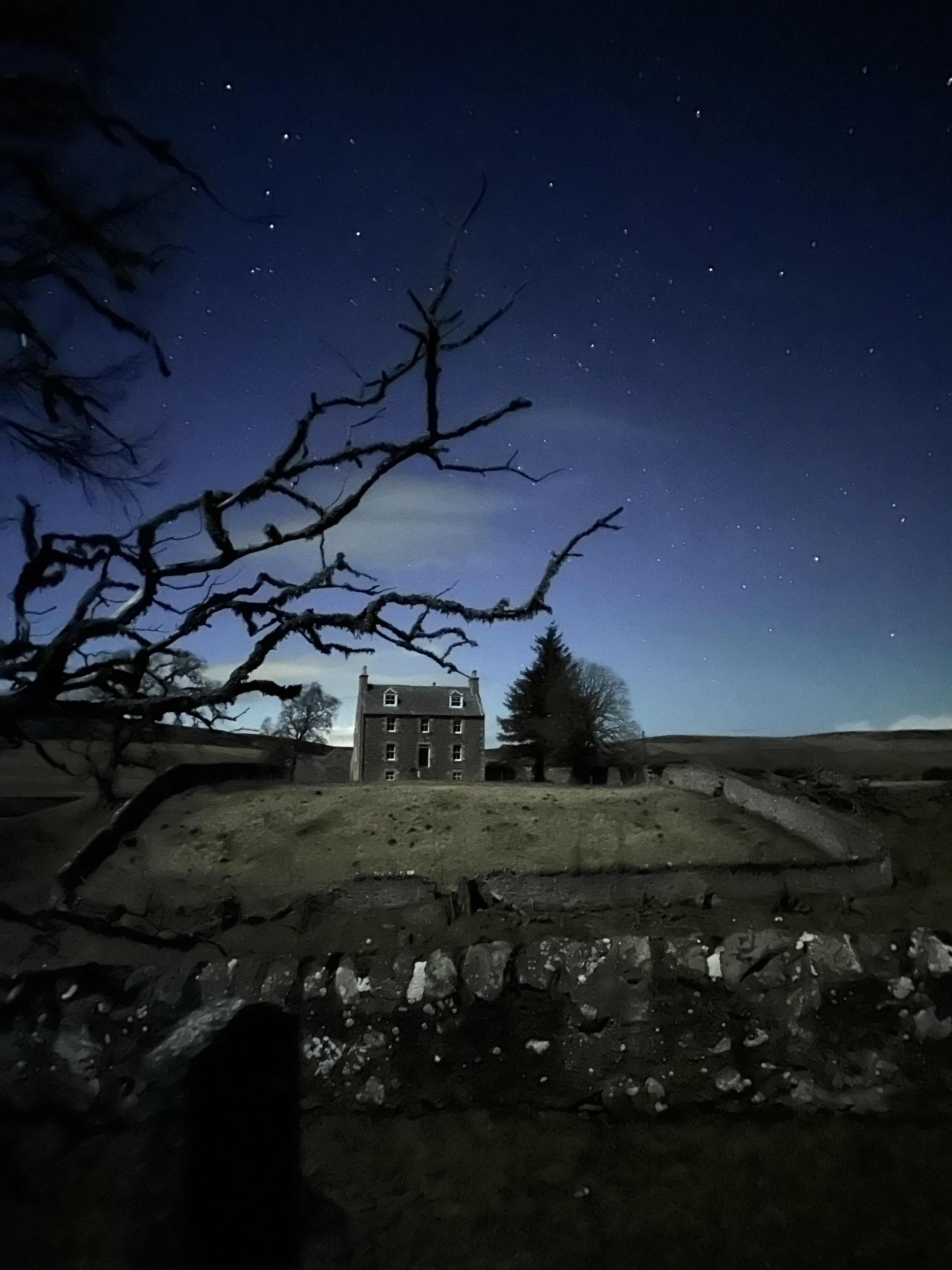
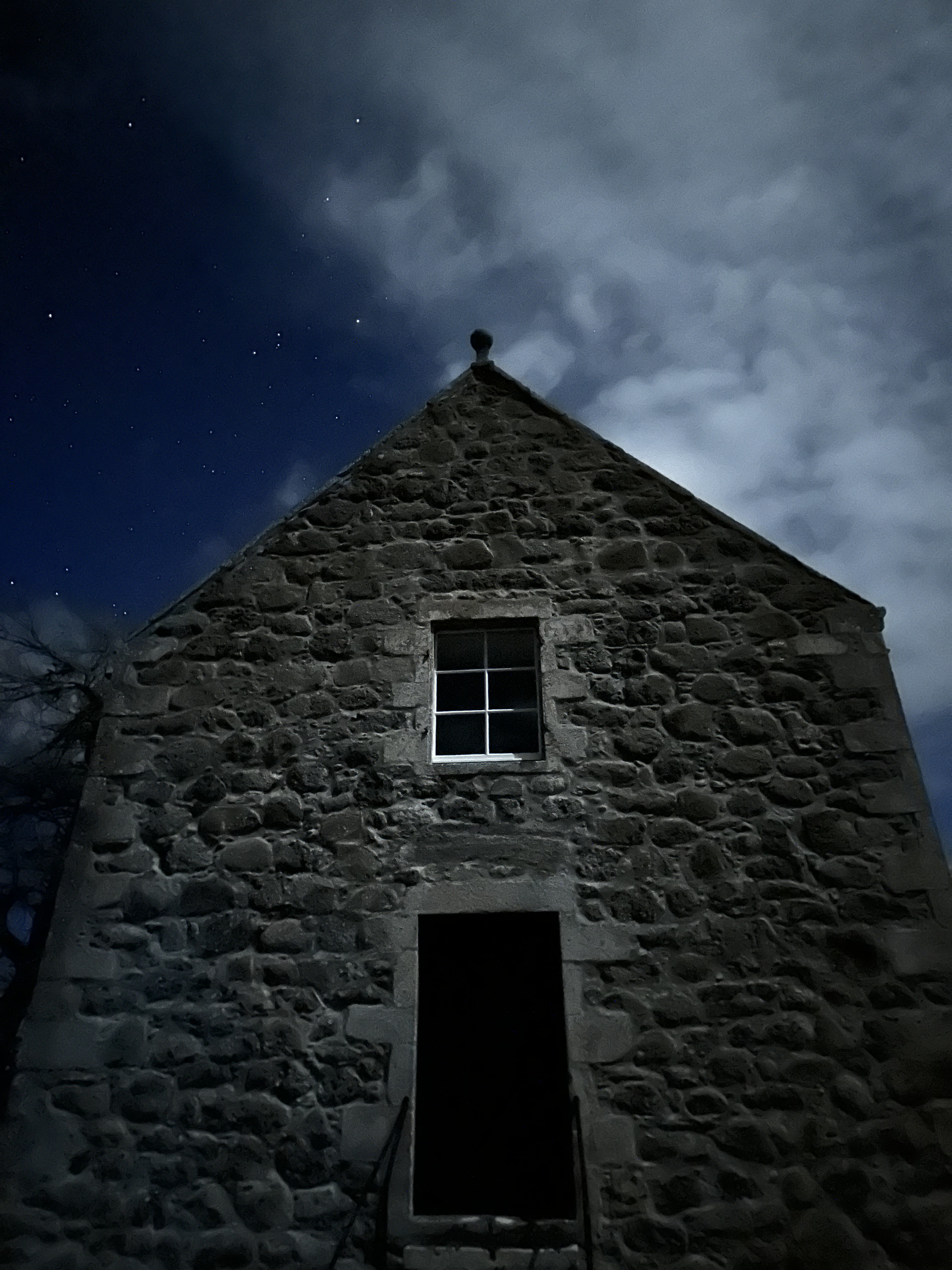
The Artwork
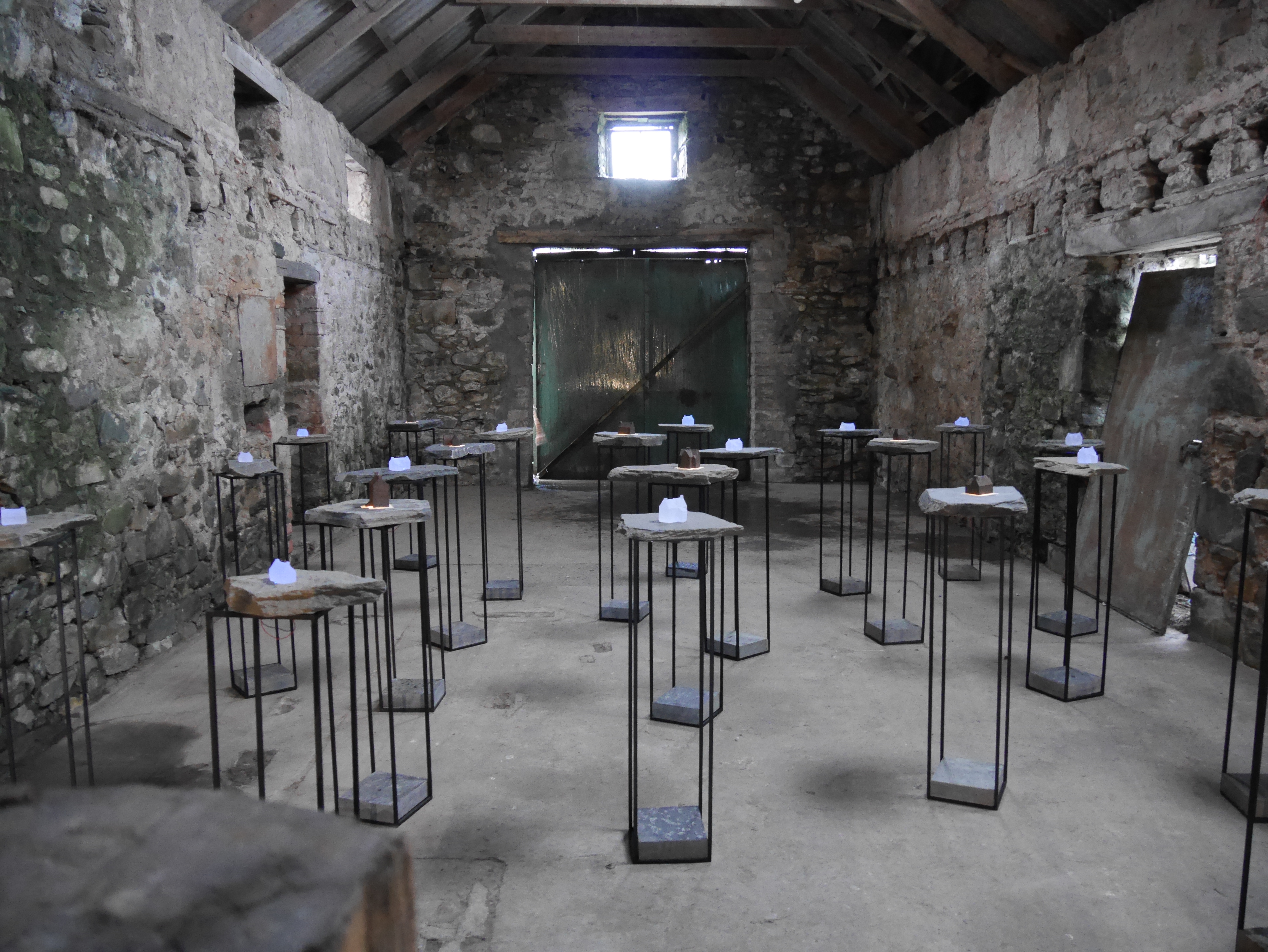
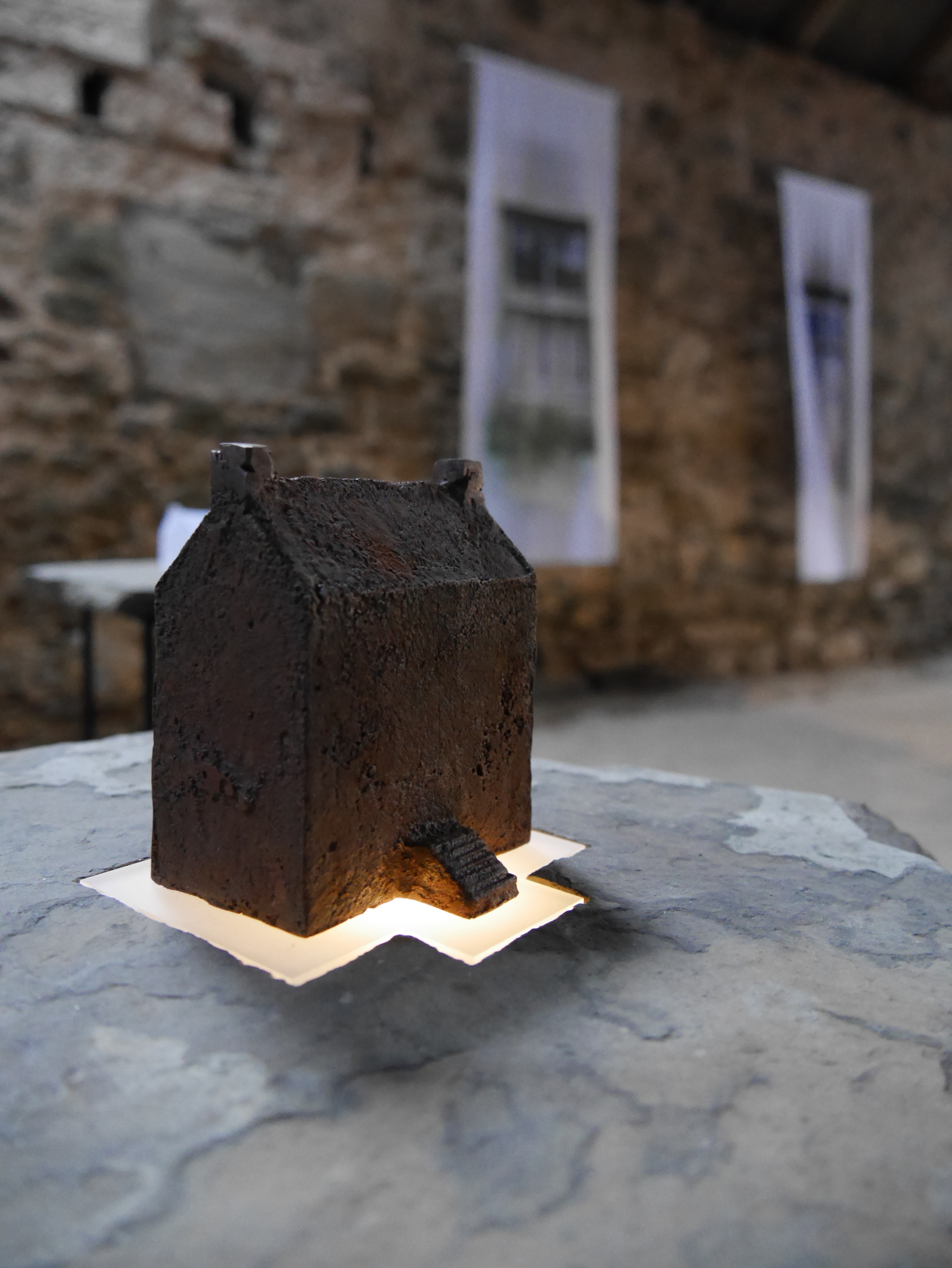


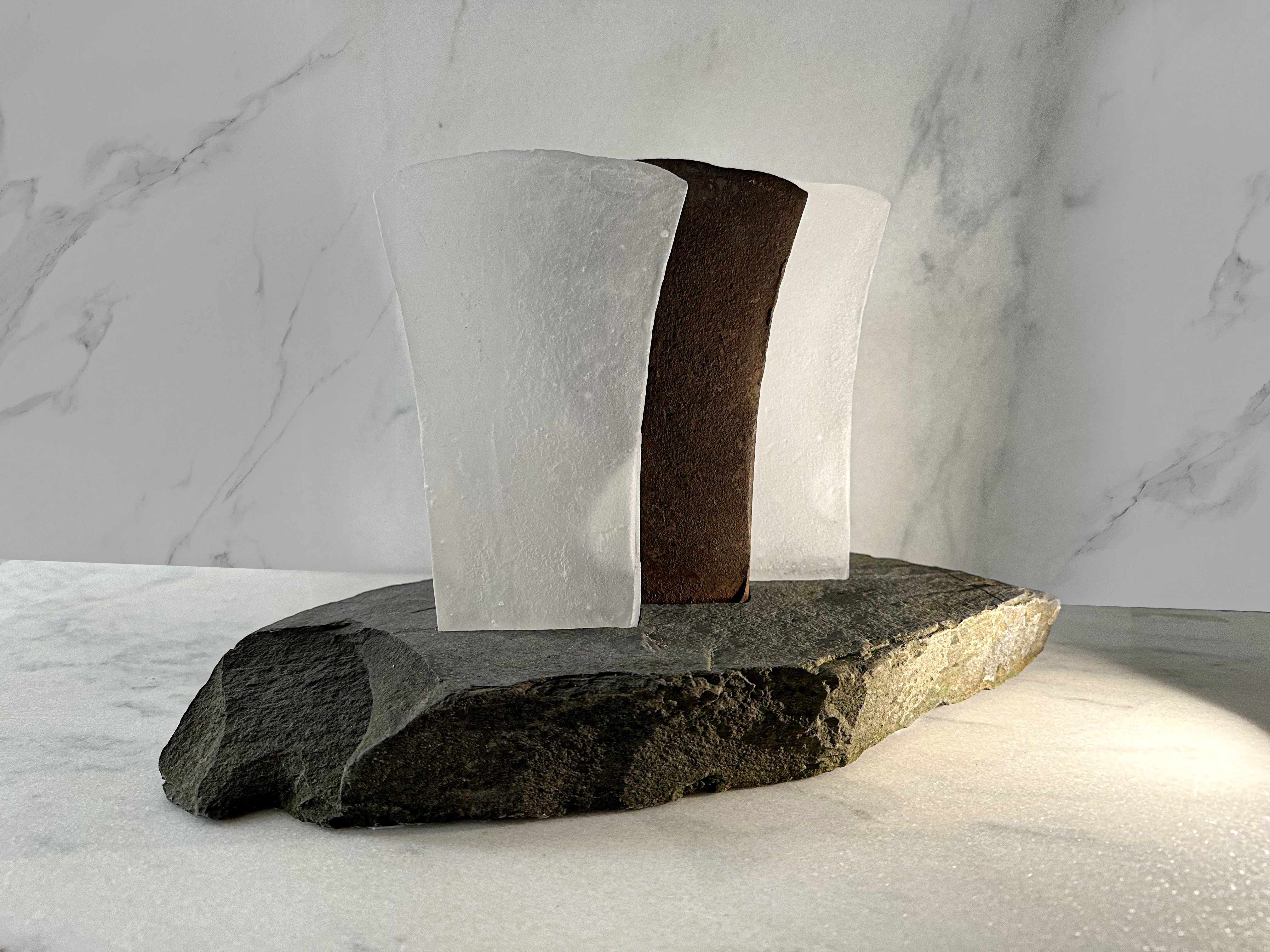
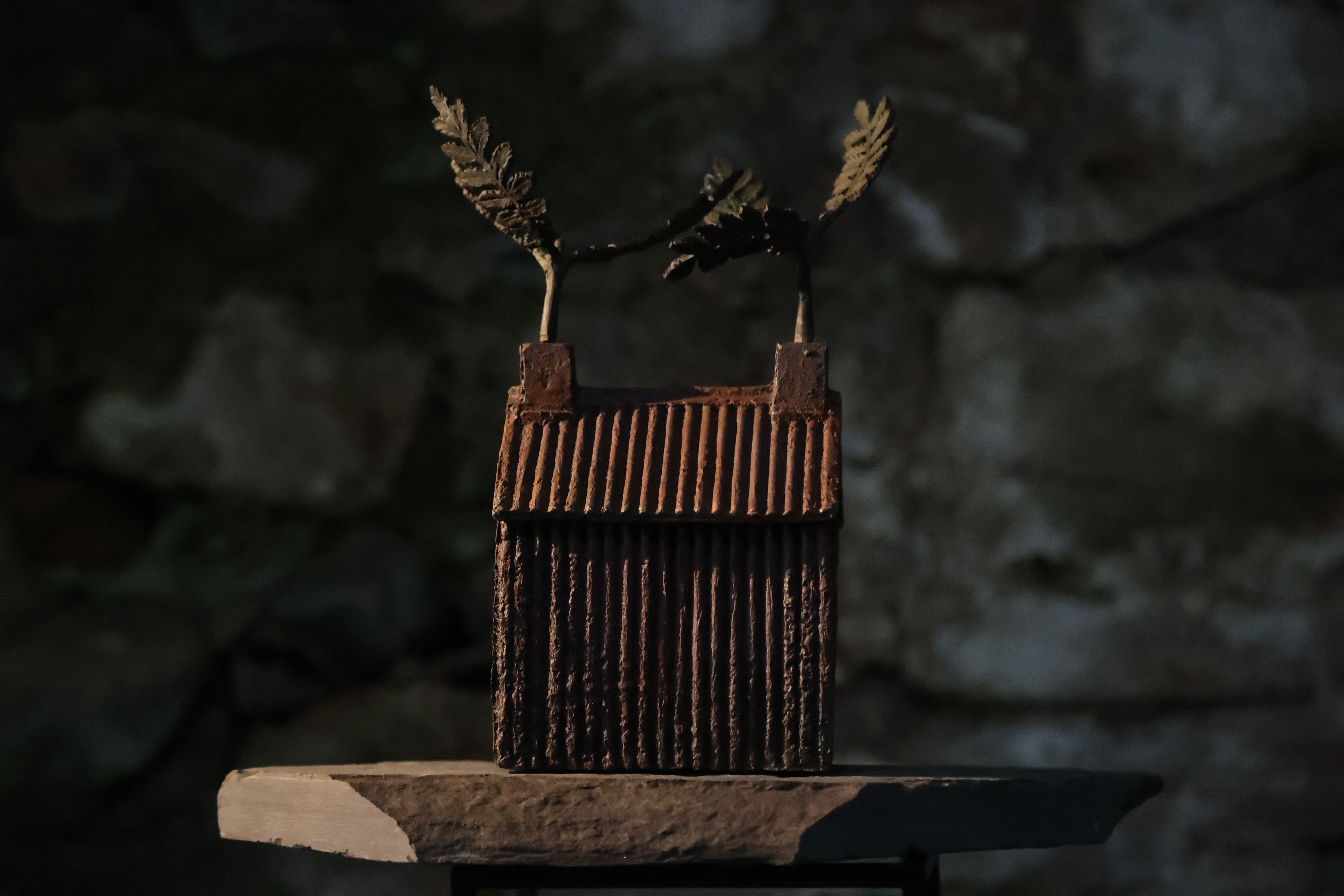
Upper Cabrach Houses – this piece, using glass and iron, materials we saw lying around the old houses, remembers the “ghost houses” which now lie dark.
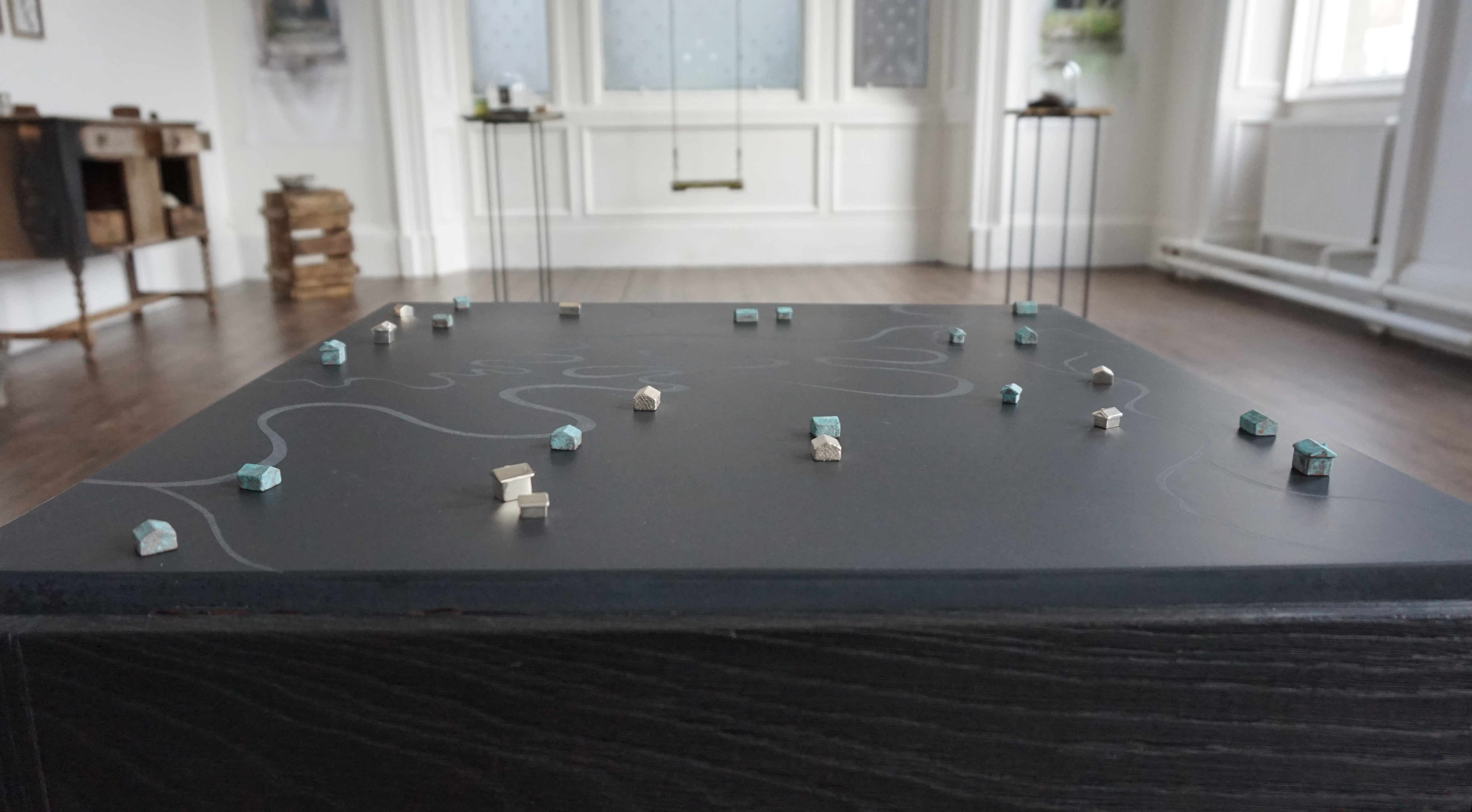
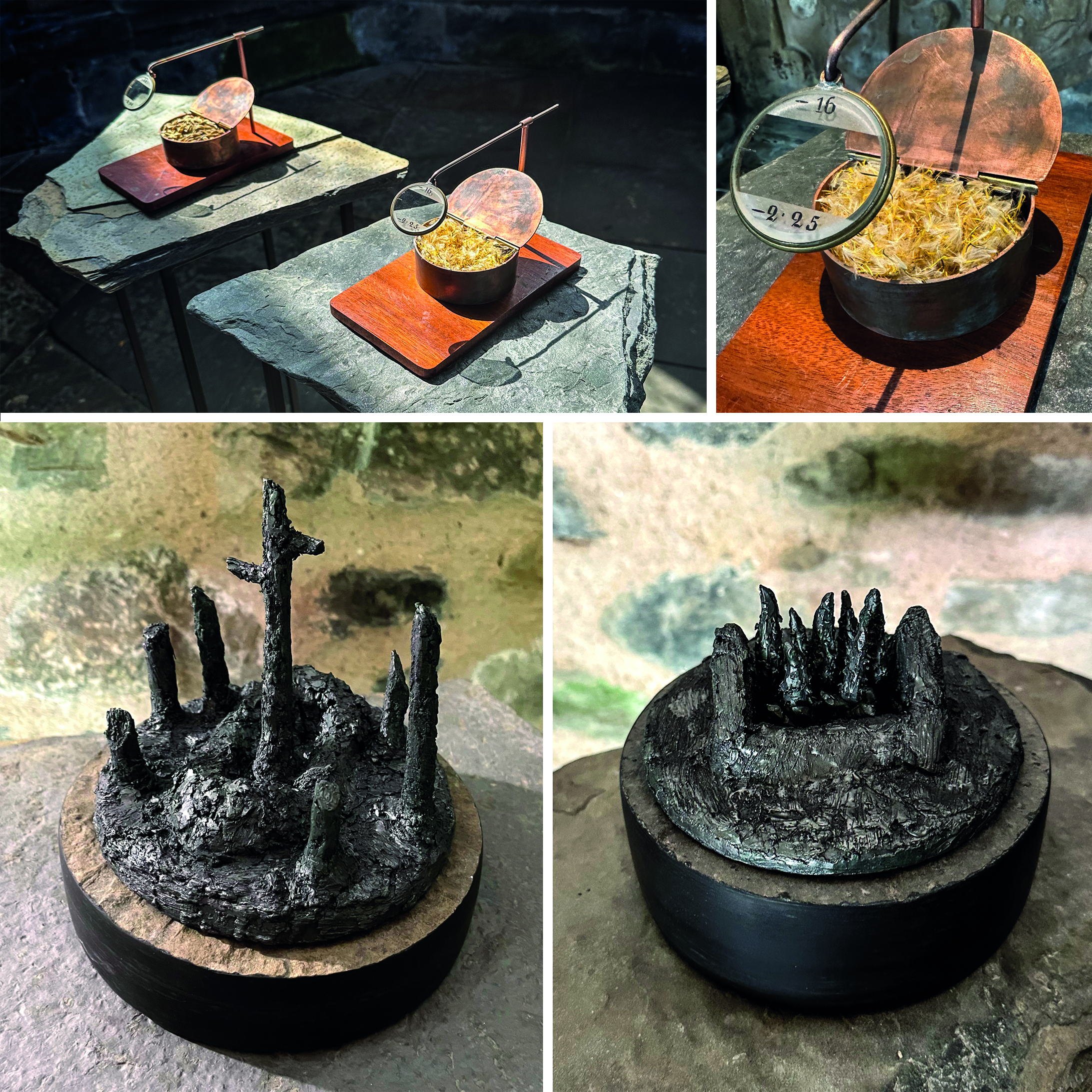
The fates of tenants are often in the hands of their landlords. Here we cast silver and copper Monopoly houses.
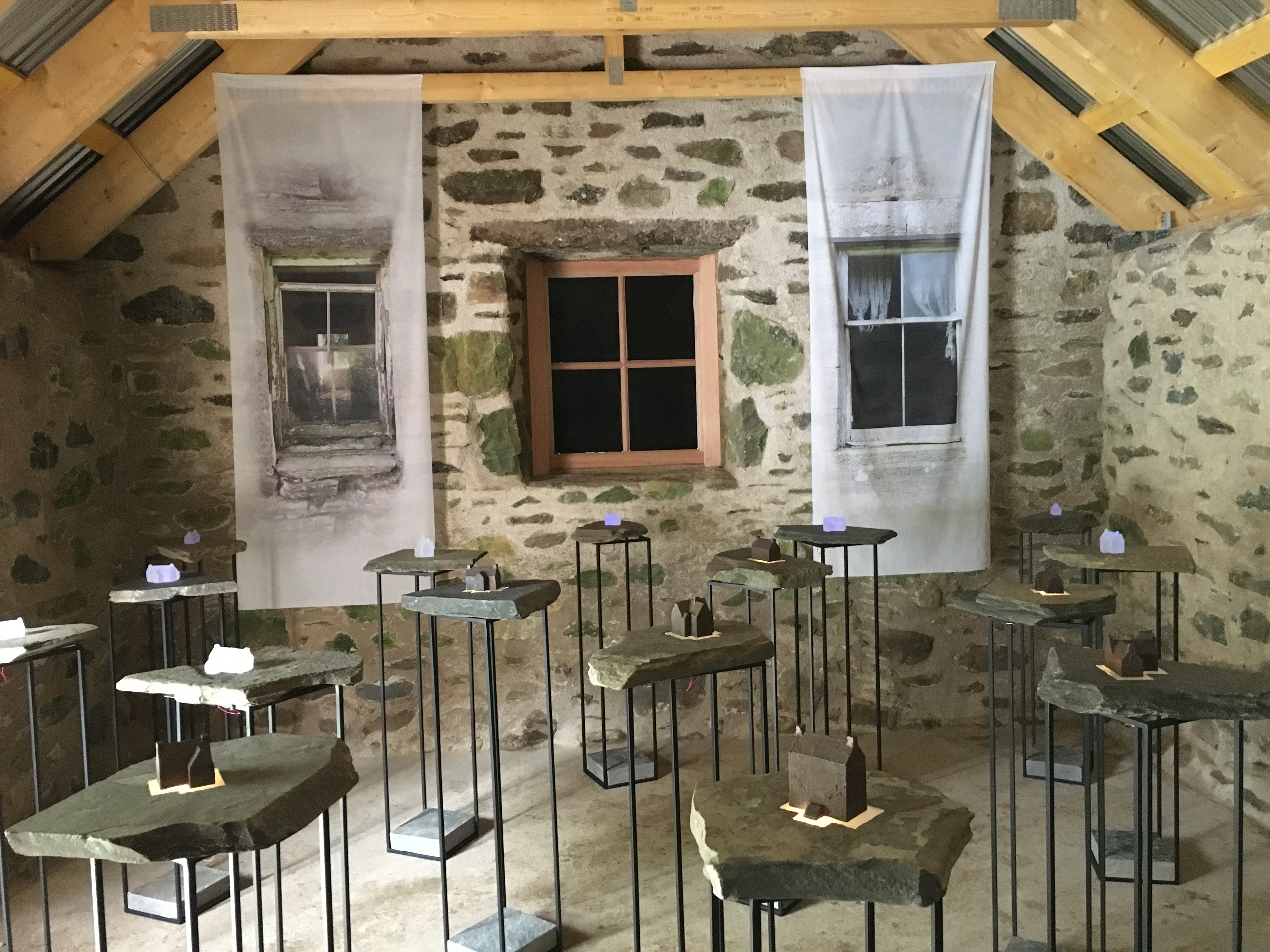
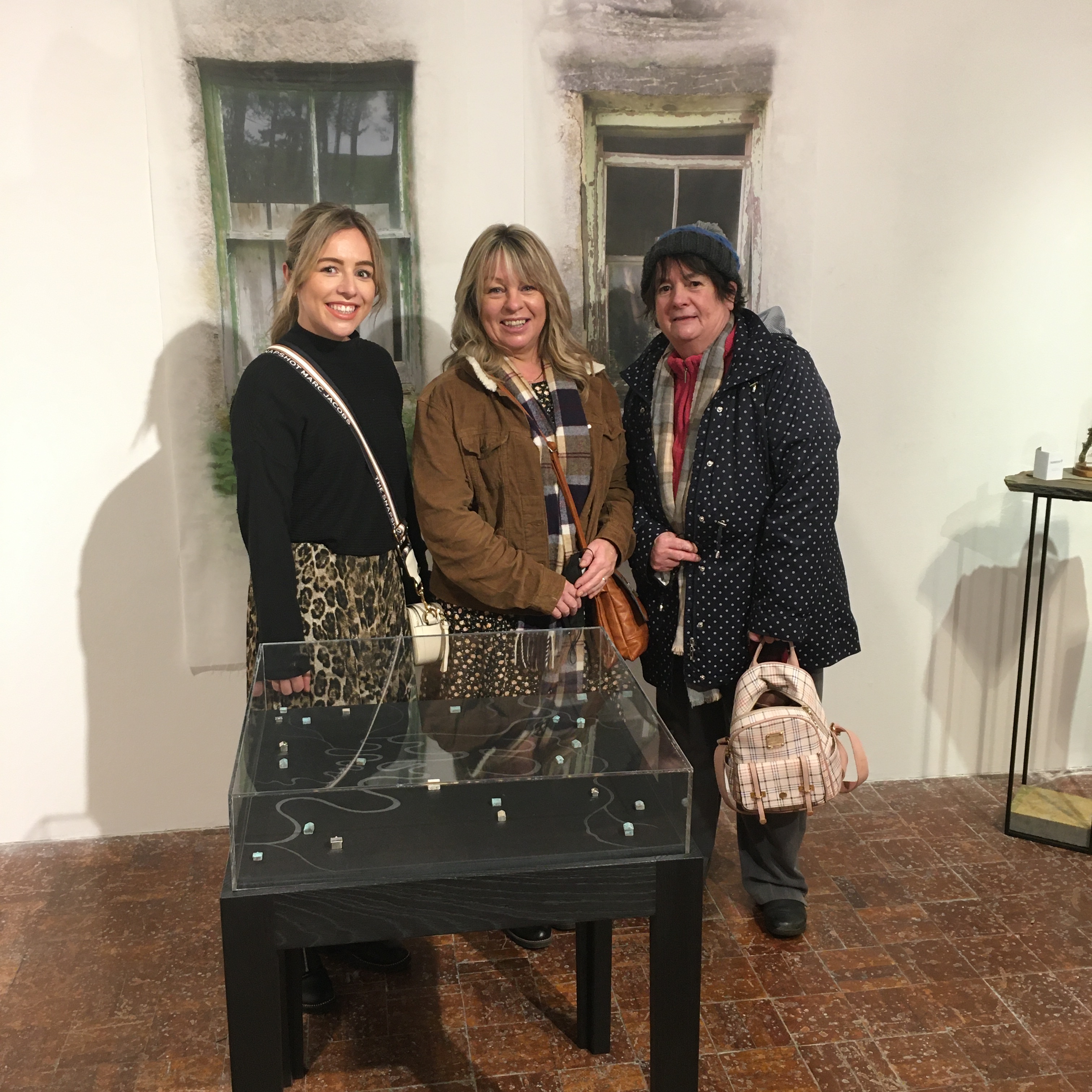
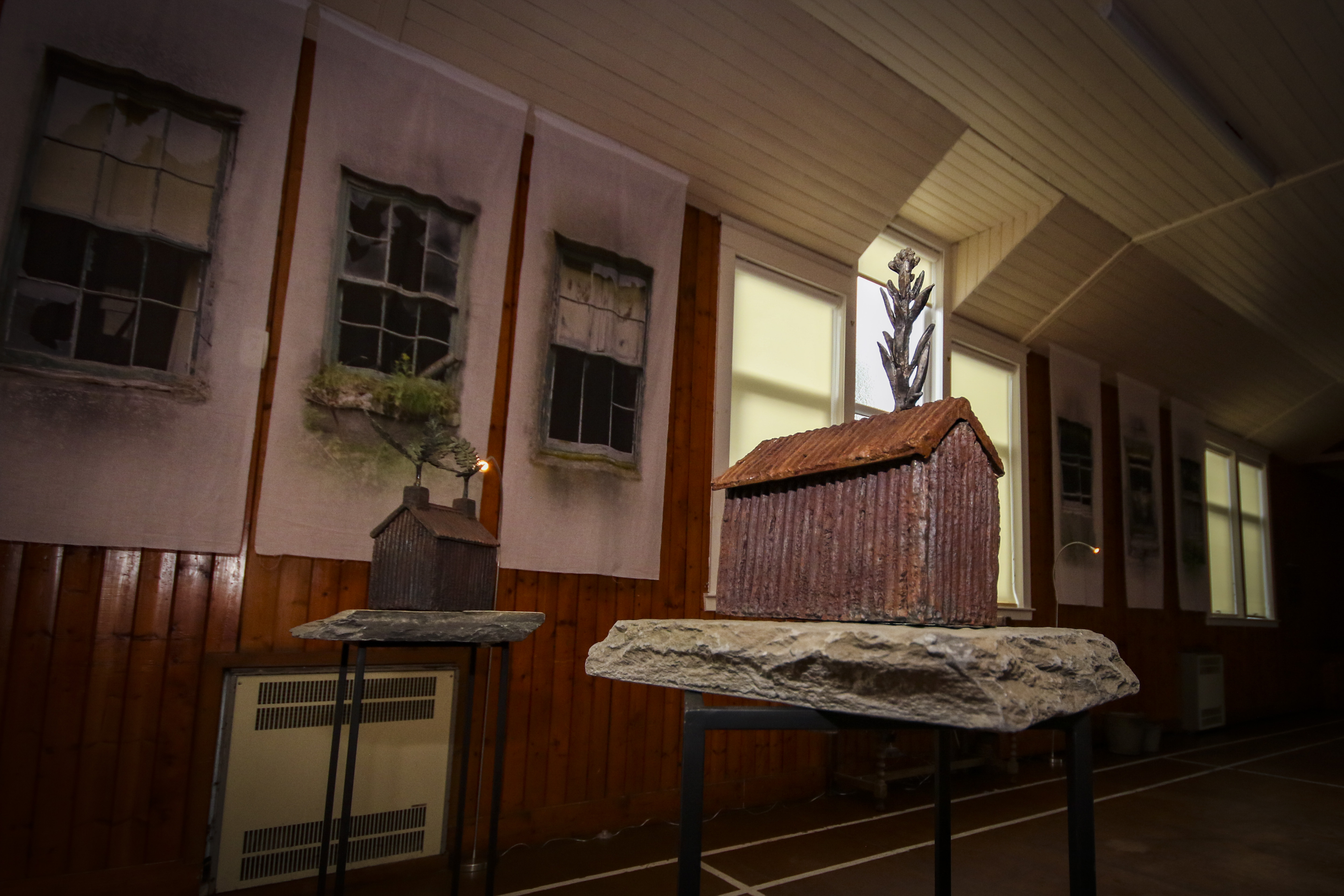
We held exhibitions locally: in an old steading, an old smiddy, in a visitor centre, a village hall and someone’s front room. Our first show in the then derelict steading owned by the Cabrach Trust was extraordinary and moving. We were mobbed with visitors – locals and people from further afield. Local people were emotional to see the things they had been telling us expressed back to them. For long years they have felt overlooked and ignored. In this work we could at least show that we were listening and were moved by their stories.

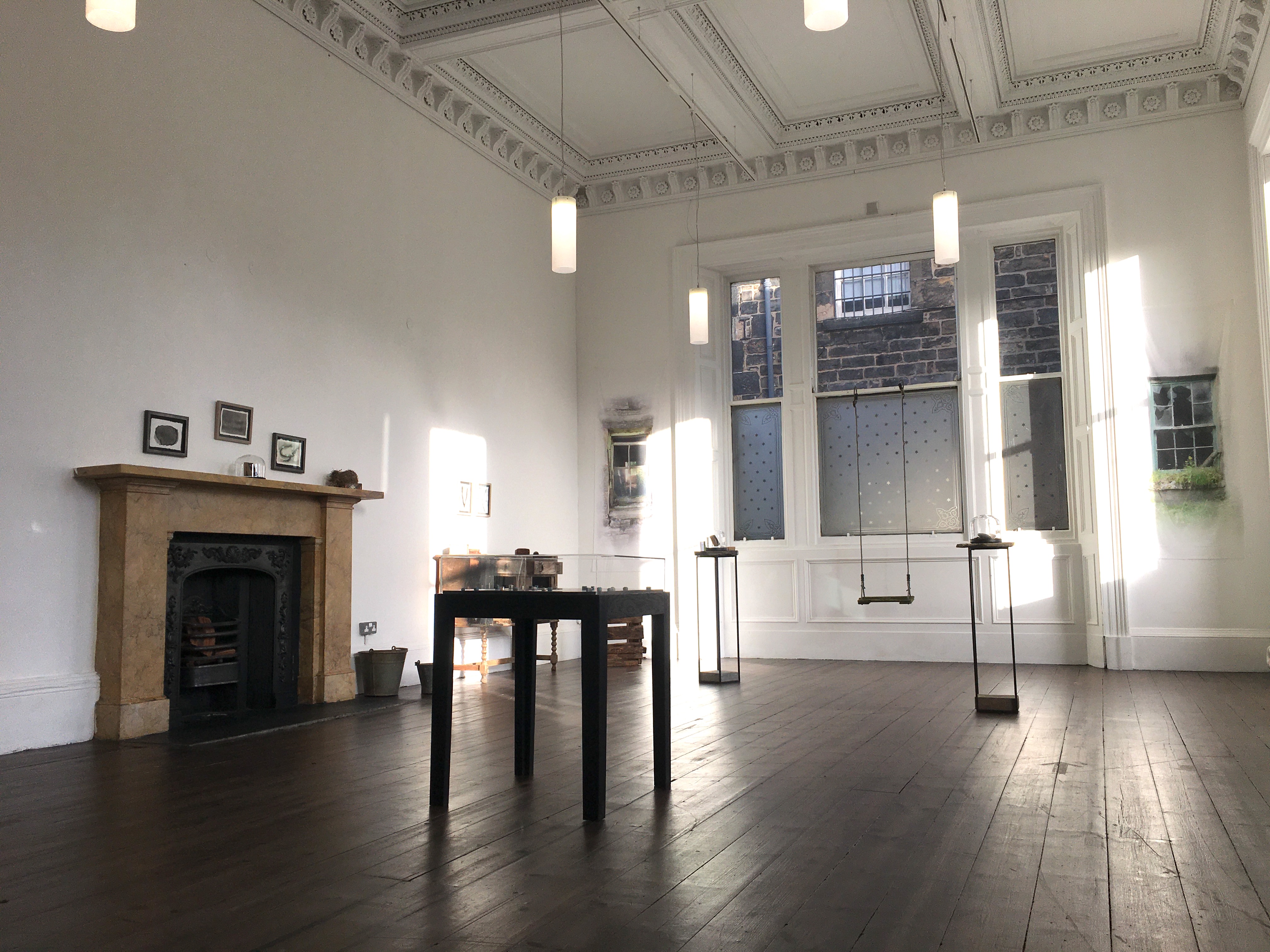
We wanted to take the stories of The Cabrach to a wider audience, explaining to people in different places some of the pressing issues for remote rural communities. We showed both our first and second shows at the Custom House in Leith. This building was the “mother ship” of the gaugers, the excise men who played such a big part in the lives of The Cabrach’s illicit distillers. Our first exhibition also spent a summer at Aberdeen Art Gallery.
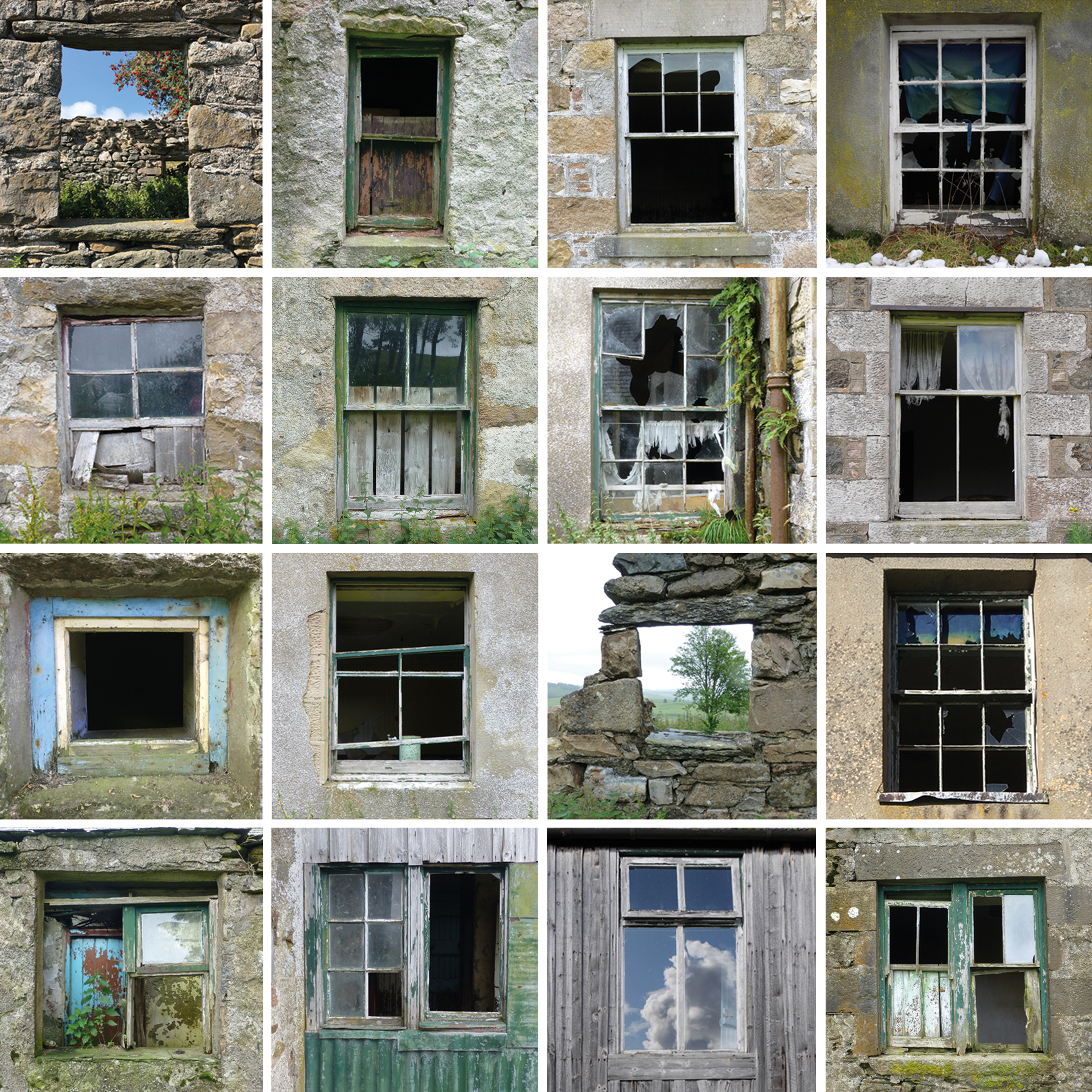
We took many photos of windows throughout the project. We realised that from the outside the reflection we could see of the landscape behind us was the view the long-gone inhabitants would have seen looking out through the window.
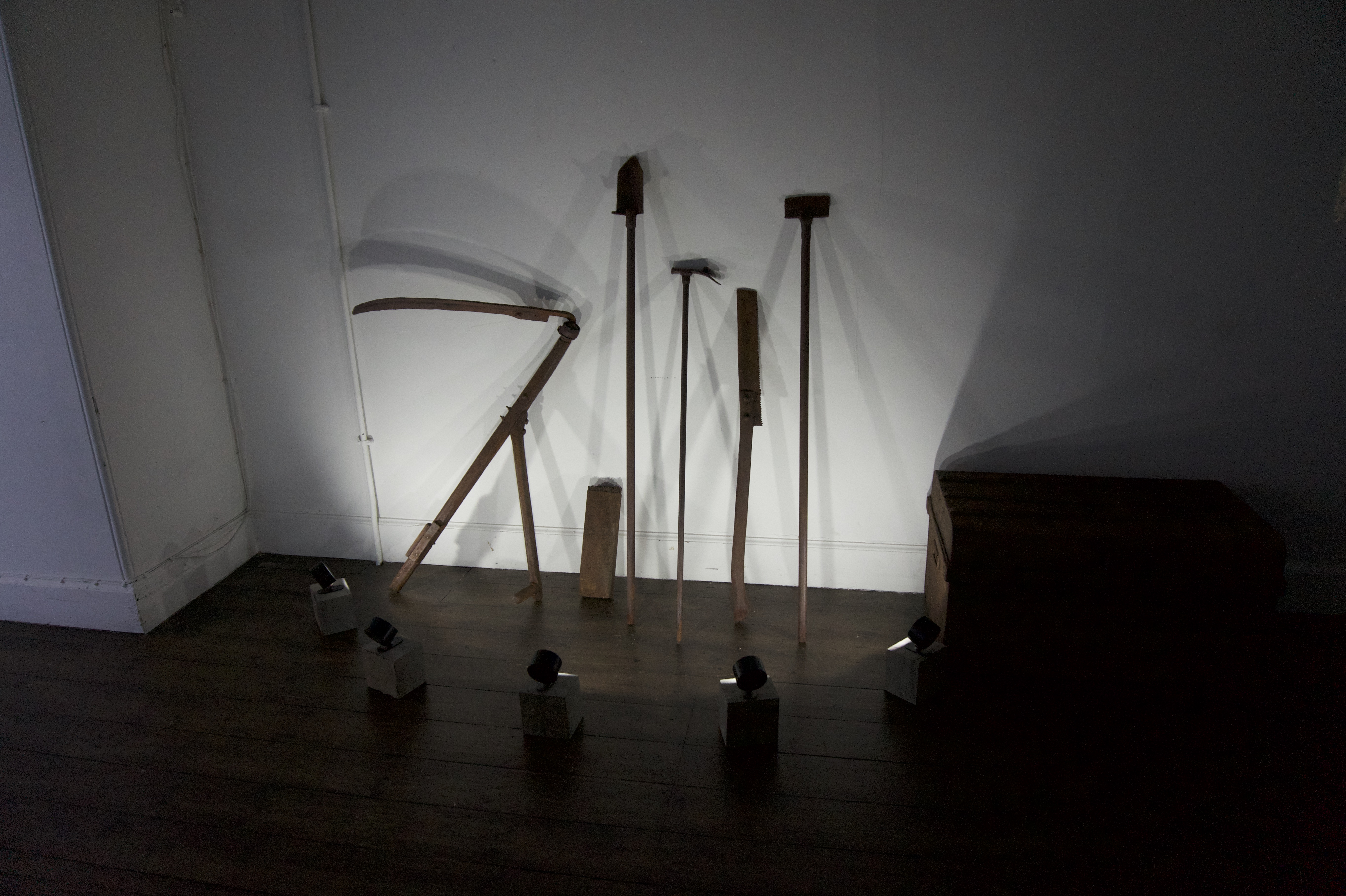
During phase 2 of the project, funded by the EDF Dorenell Wind Farm Community Benefit Fund, we continued our investigation into the community and its lives and work. We looked at how work in the area is changing, contrasting the self-sufficiency and make do and mend philosophy of the old hand tools we found with the hi-tec multi-national engineering of the wind farms.
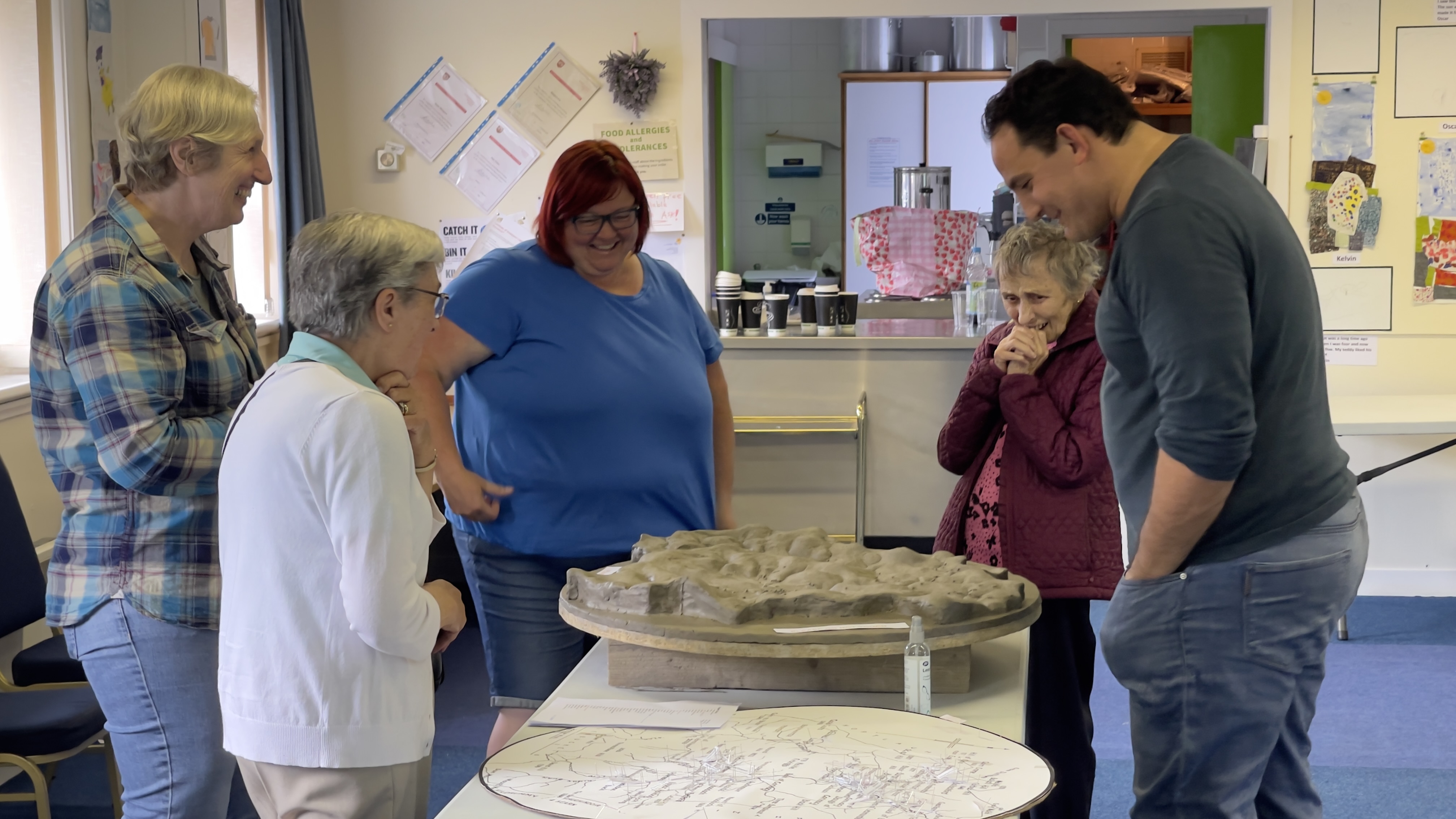
In collaboration with The Cabrach Trust’s Cabrach Lives heritage project which was developing an online map, we started recording all the dwellings we could locate in the area from the last 200-300 years. Talking to people and looking at old maps, we discovered that we had wildly underestimated how many derelict houses there are in the area!


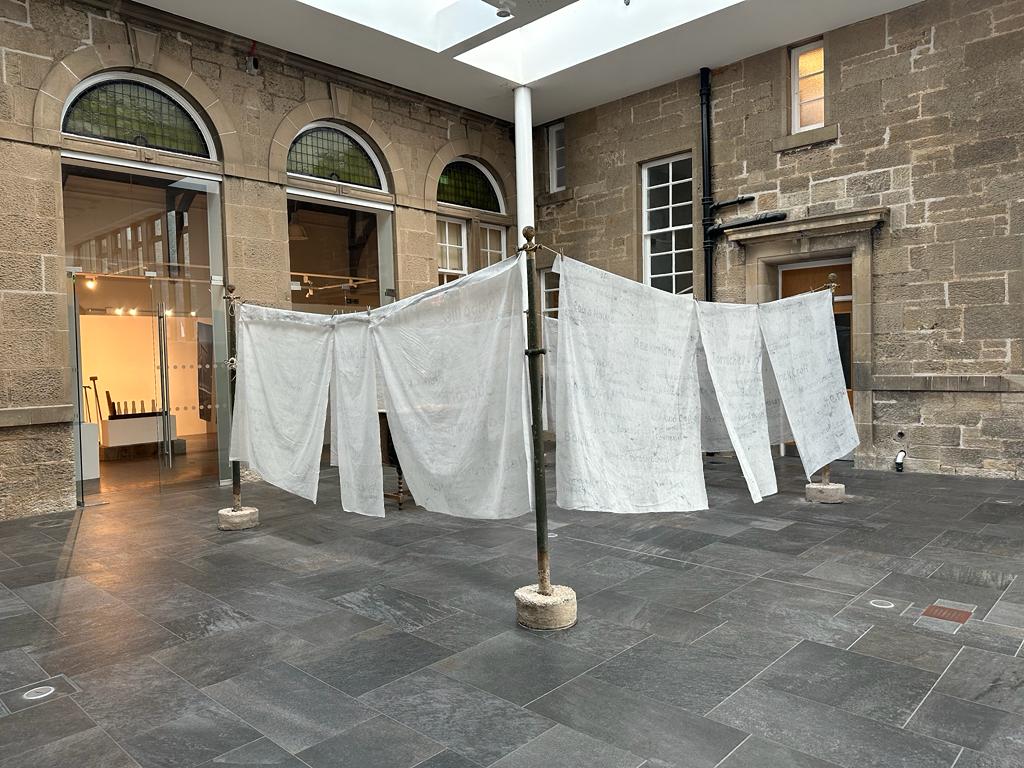
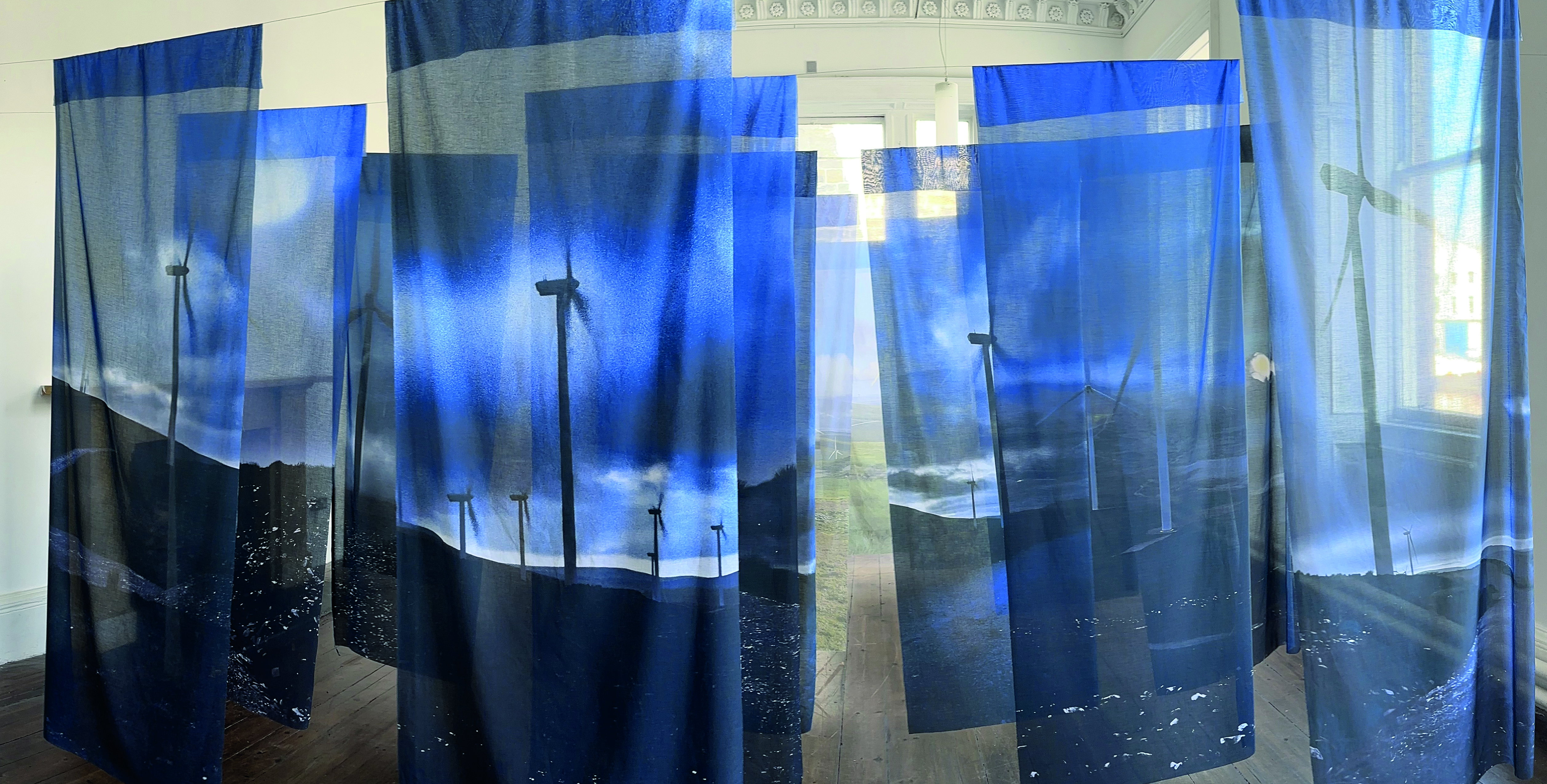
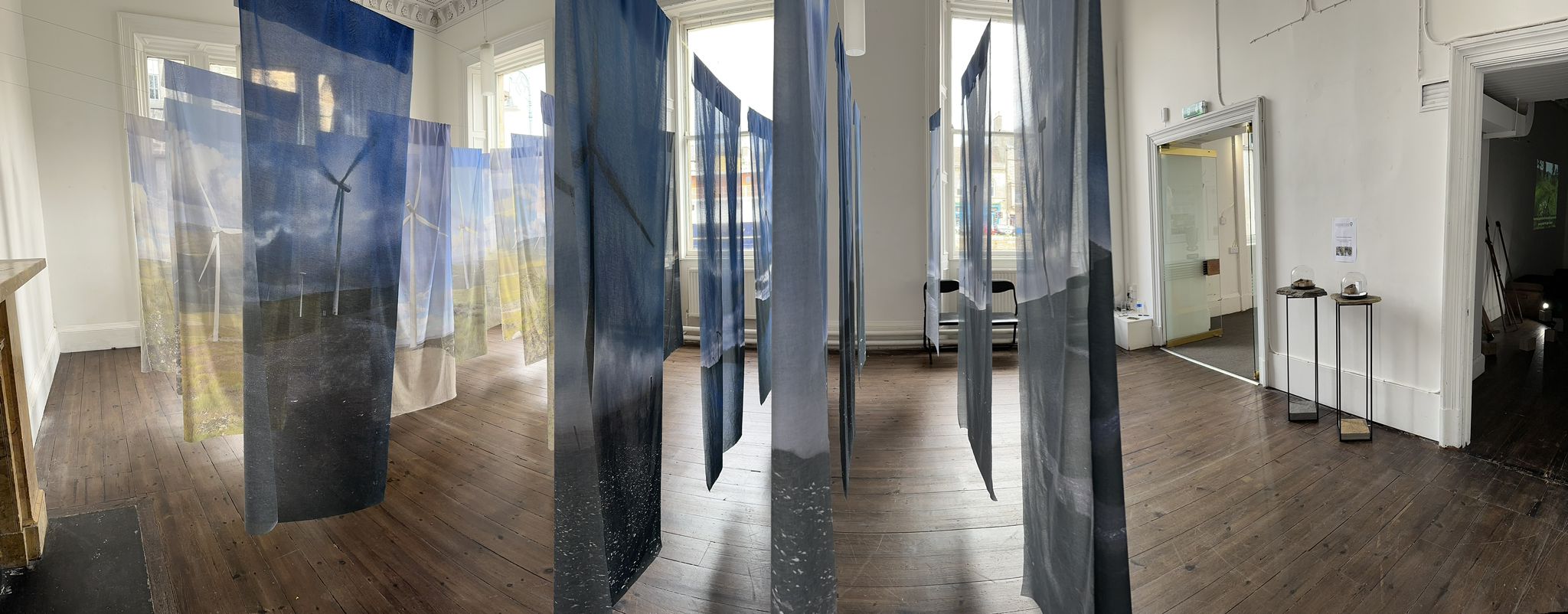
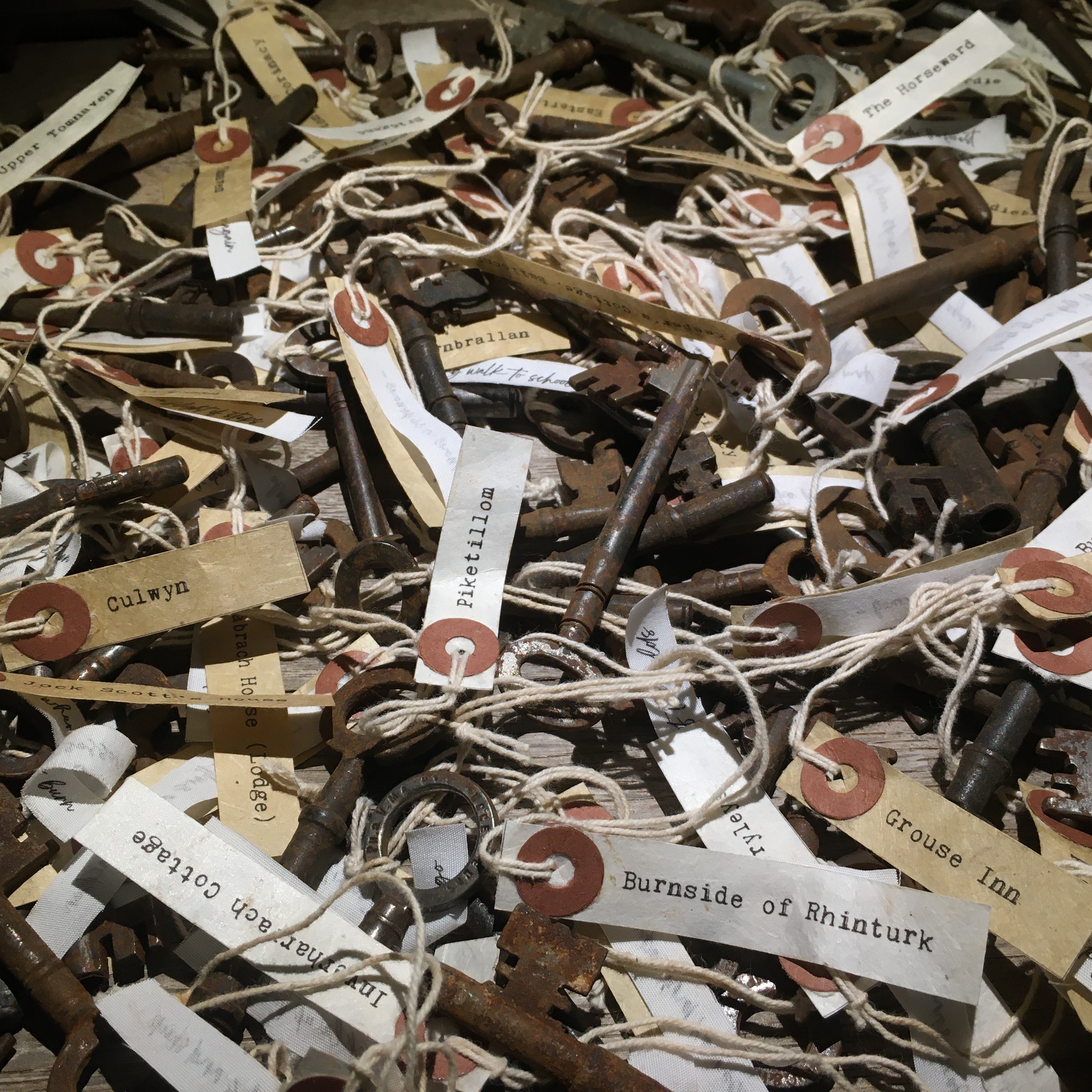
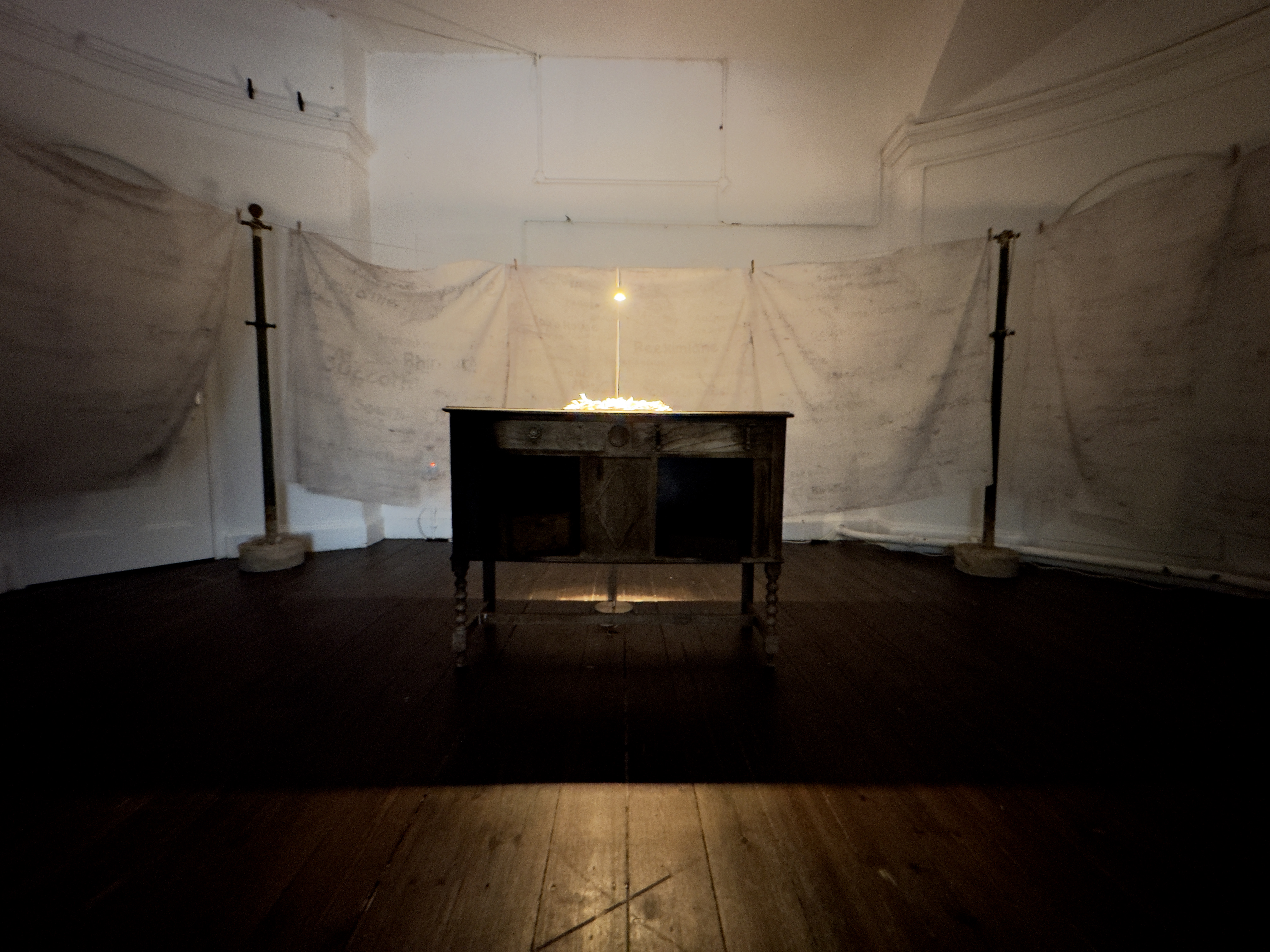
Cabrach Keys: a big pile of keys on an old dresser rescued from a shed in The Cabrach, surrounded by sheets printed with the names of Cabrach dwellings. We made two labels for every named dwelling we recorded – one with the name of the building, one with a snippet of information, or an experience we’d had there, and tied each pair onto a key. Exhibition visitors spent ages untangling them, reading the labels, and looking for their family homes. The blowing washing refers to the importance of wind in The Cabrach – in the past specific cloths hung on washing lines were used to warn illicit distillers of the approach of the gaugers, while now the coming of multiple wind farms is changing the character of the area.
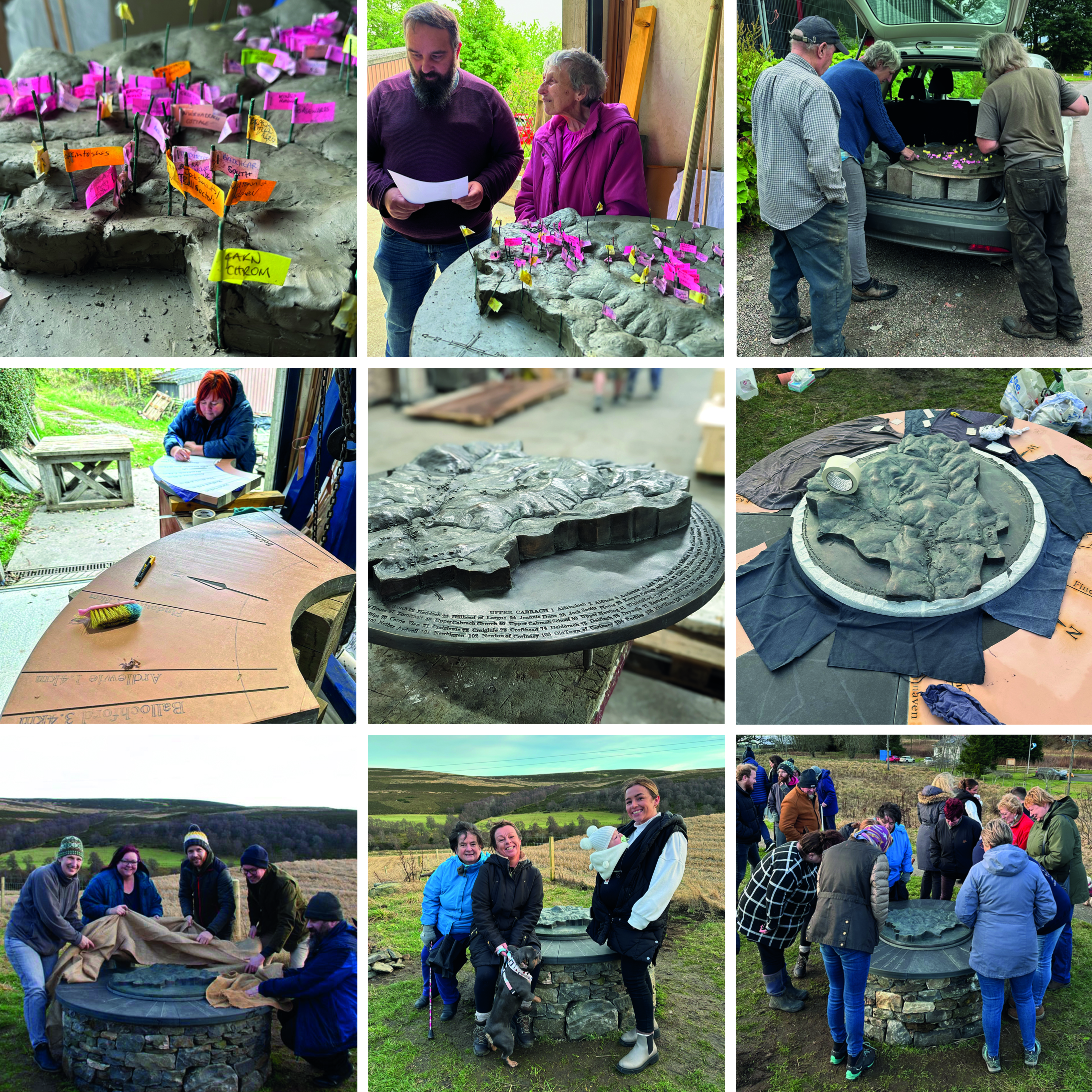
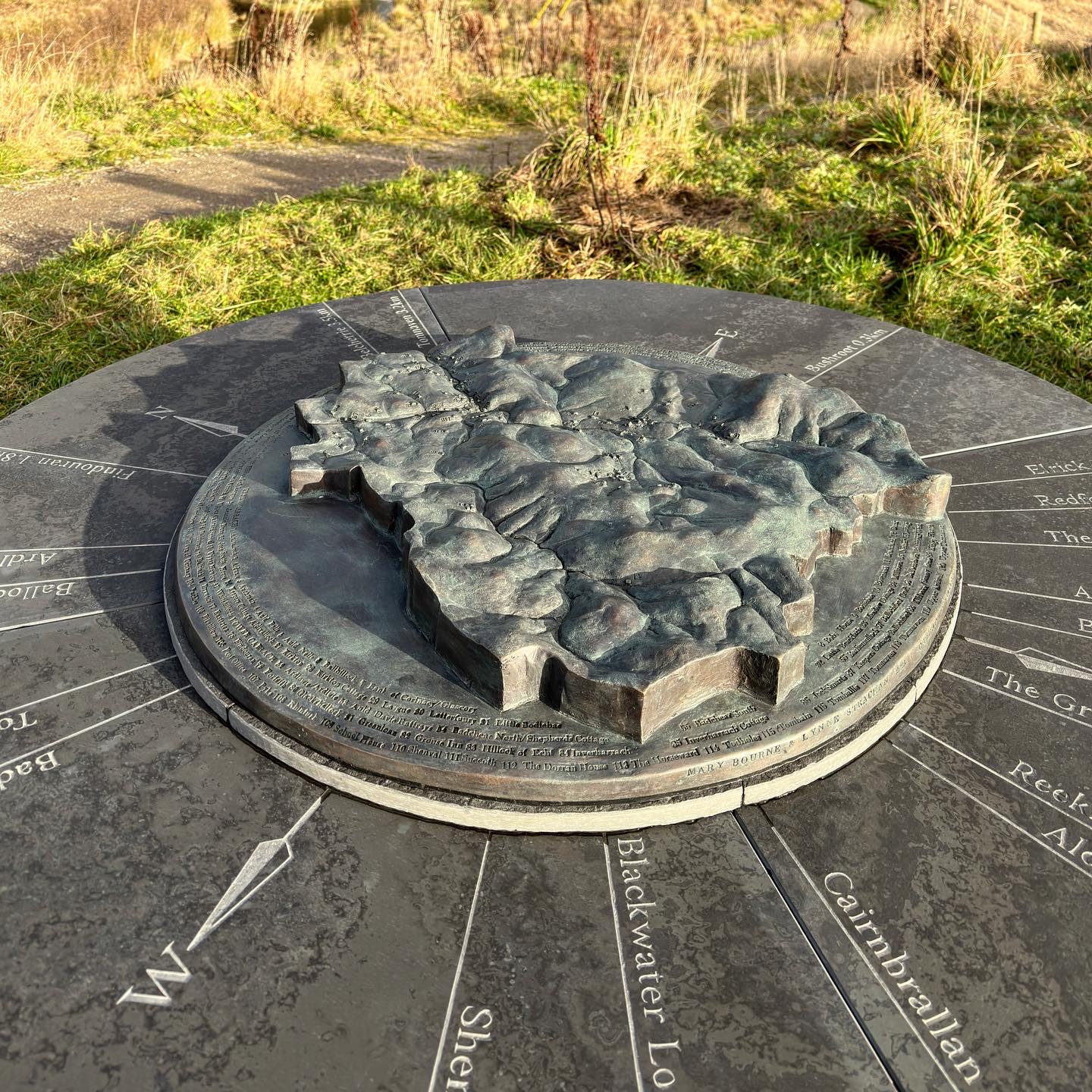
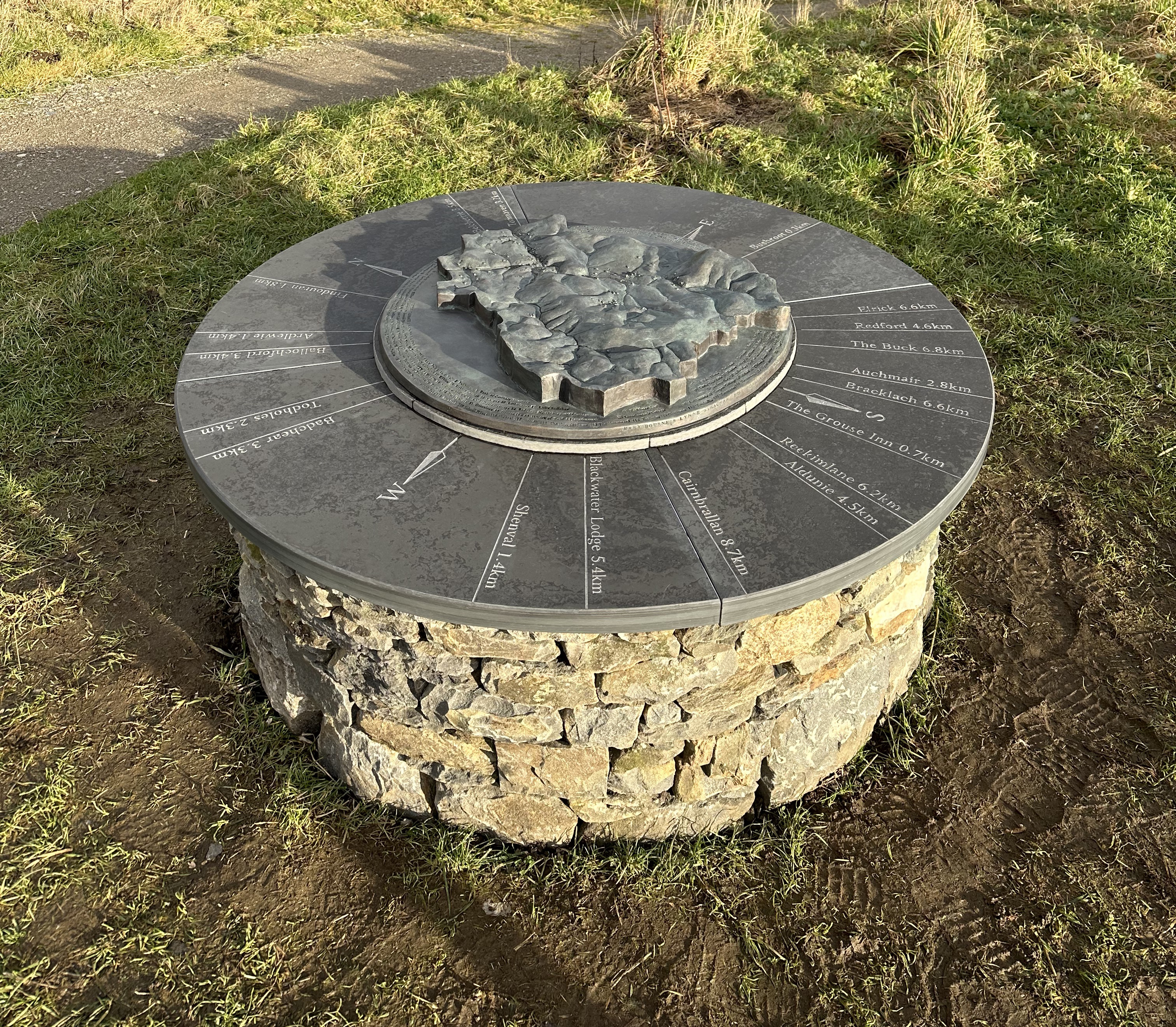
In parallel with the Trust which was collecting stories and information on their Cabrach Lives website, organising the information by house name on a map, we made a physical 3D map on which we recorded every dwelling we had identified. This was cast in bronze and mounted on a toposcope on the Trust’s Discovery Trail. It sits like a hub in the area, a central reference point to orientate yourself geographically, and perhaps also, if your family came from here, emotionally.
Inevitably this research has proved to be an ongoing process of discovery – more dwellings come to light all the time, and our map can only be a snapshot of our knowledge at one point in time.
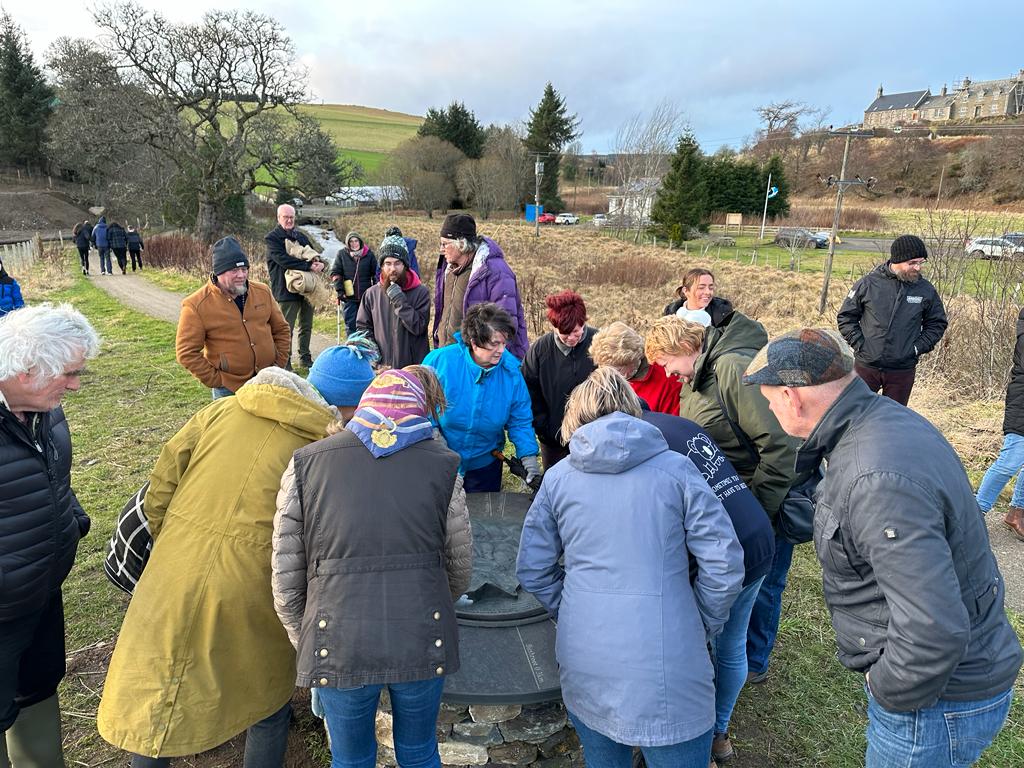
The Cabrach Trust has purchased much of our artwork for the community, and as they develop their new heritage centre it is hoped it can be integrated into the structure.

We are still working in The Cabrach, thinking more about how the dwellings we have researched were placed within the landscape in relation to rivers, soil, and shelter from the weather.
You can see a selection of our work, along with that of emerging artists we have mentored: Kate Cameron Reid and Fiona Percy at The Cabrach Trust’s forthcoming exhibition Inspired by The Cabrach at The Cabrach Trust, Inverharroch, Lower Cabrach AB54 4EU from 13th – 15th June, 11am – 4pm. Also on show will be The Trust’s community printing, tweed and tapestry projects and Morag Smith’s work on illicit distilling made for the Discover Moray’s Great Places project.
www.cabrachreconnections.co.uk
@cabrachreconnections cabrach.reconnections@gmail.com
Moray-based artists, Mary Bourne and Lynne Strachan have spent the last 4 years developing an arts project in The Cabrach, a remote upland area just on the Moray side of the border with Aberdeenshire. Mary explained, “This was a project born in lockdown. Lynne and I have several decades of experience of making art for public places between us and have worked together before, but we have always designed to other people’s briefs and in places distant from where we live. Lockdown gave us the opportunity to take stock and we decided we would like to write our own brief and work together in a place that has long fascinated us. Our ambitions were to work somewhere we felt part of and cared about, and to create a project that delivered the best possible results for everyone involved.”
During the project they explored the area on foot – alone, together and guided by people with local knowledge. There was a lot of chatting along the way with people they met on their walks, as well as with participants at the events they organised. They learned a lot this way – and more from members of The Cabrach diaspora they connected with on social media. The project aims to find ways for people to reconnect with each other through arts activities and to get out and enjoy the stunning scenery and wildlife in the area, reconnecting with nature. At the same time, the exhibitions of artwork developed in response to what the artists have learned raise wider awareness of issues facing small rural communities like The Cabrach and encourage people to come and see for themselves. Through the project a close relationship has developed with the The Cabrach Trust, something that has enabled the artists to contribute to strategic developments happening in the area.
 ecoartscotland.net
Leave a comment